Featured Articles

What is Context Engineering?

The term "prompt engineering" surged after ChatGPT launched in late 2022. It began as a practical toolkit for getting better responses from AI: be explicit, add examples, write role-playing instructions, and experiment with the prompt optimization patterns many teams reached for first. As I've written

How to Evaluate LLM Prompts Beyond Simple Use Cases

A common question we get is: "How can I evaluate my LLM application?" Teams often push off this question because there is not a clear answer or tool for them to use to address this challenge. If you're doing classification or something that is programmatic like

Read all articles

The 7 best prompt management tools in 2026 — tested and compared

A prompt management tool is the system you use to version, deploy, test, and monitor prompts the same way you treat application code: with change history, controlled releases, and regression protection. Prompt management becomes mandatory the moment your prompts stop being “a string in a file” and start being an

What Is Agent Evaluation? A Practical Guide for AI Teams

Agent evaluation is the process of testing whether an AI agent reliably completes the task it was built to do across real inputs, edge cases, and new versions. For AI teams, agent evaluation is what turns “the demo worked” into “we can ship this with confidence.” It helps teams catch

BrainTrust Alternatives - The Best Prompt Management Platforms in May 2026

Introduction If you’re evaluating Braintrust, you’re probably not “just browsing” - you’re already thinking about the operational reality: tracing volume, evaluation cost, and how quickly your team can ship changes. Braintrust’s public pricing is transparent about core drivers like trace spans, processed data/storage, scores, and retention,

The Antidote is Soul

How can AI teams stand out in the age of AI agents? Every website has cool animations now. Every SaaS landing page has the same purple gradients, the same floating illustrations, the same polished corners. AI made perfection free. Every digital meal is a bowl. We live in the age

We hosted the first Vibe Coding Olympics

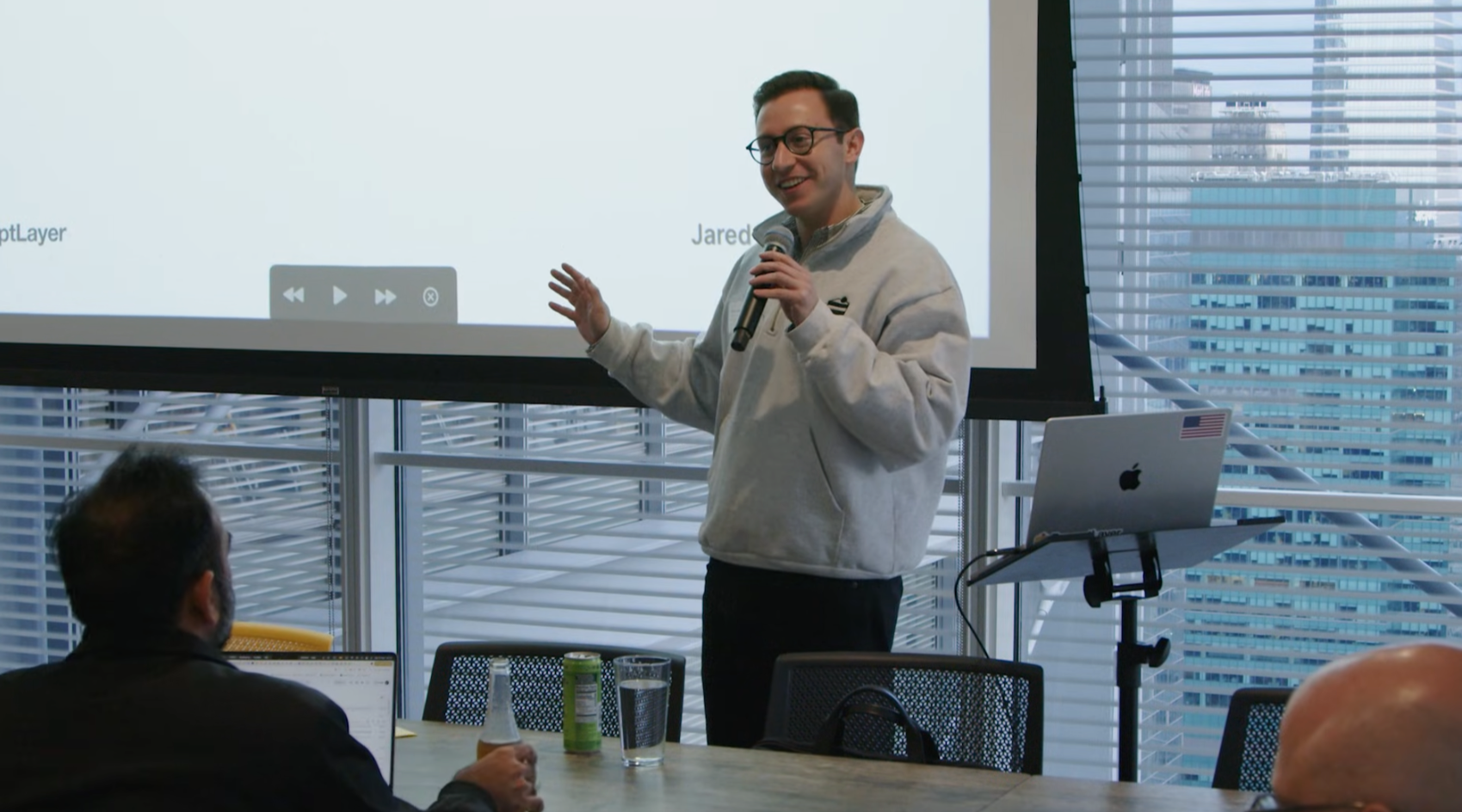
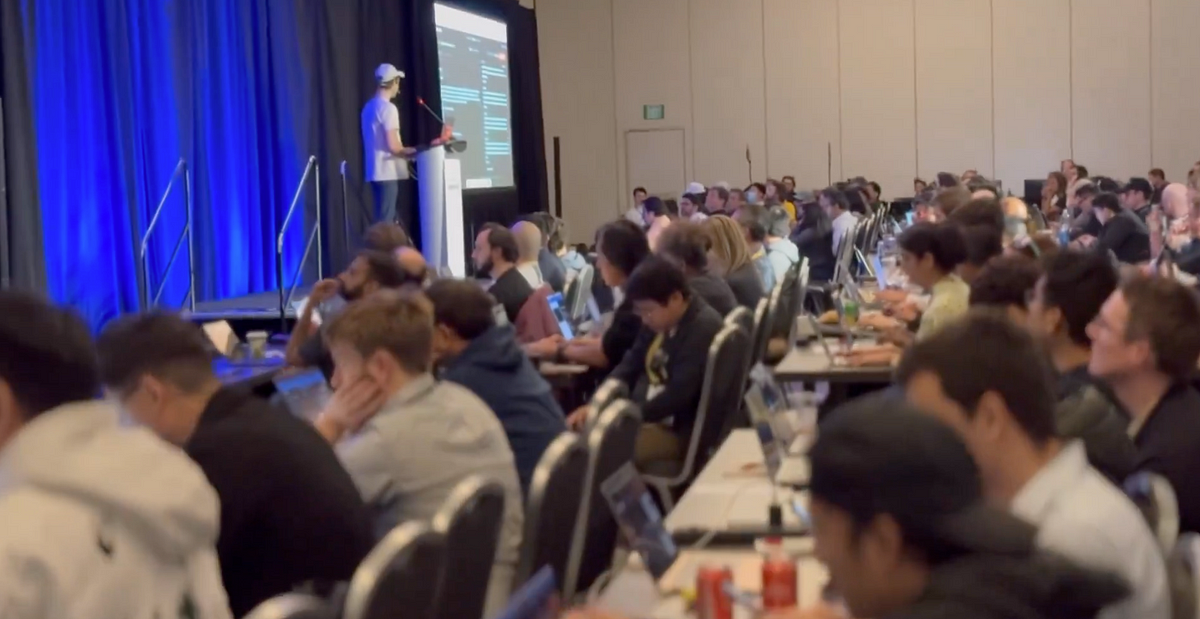
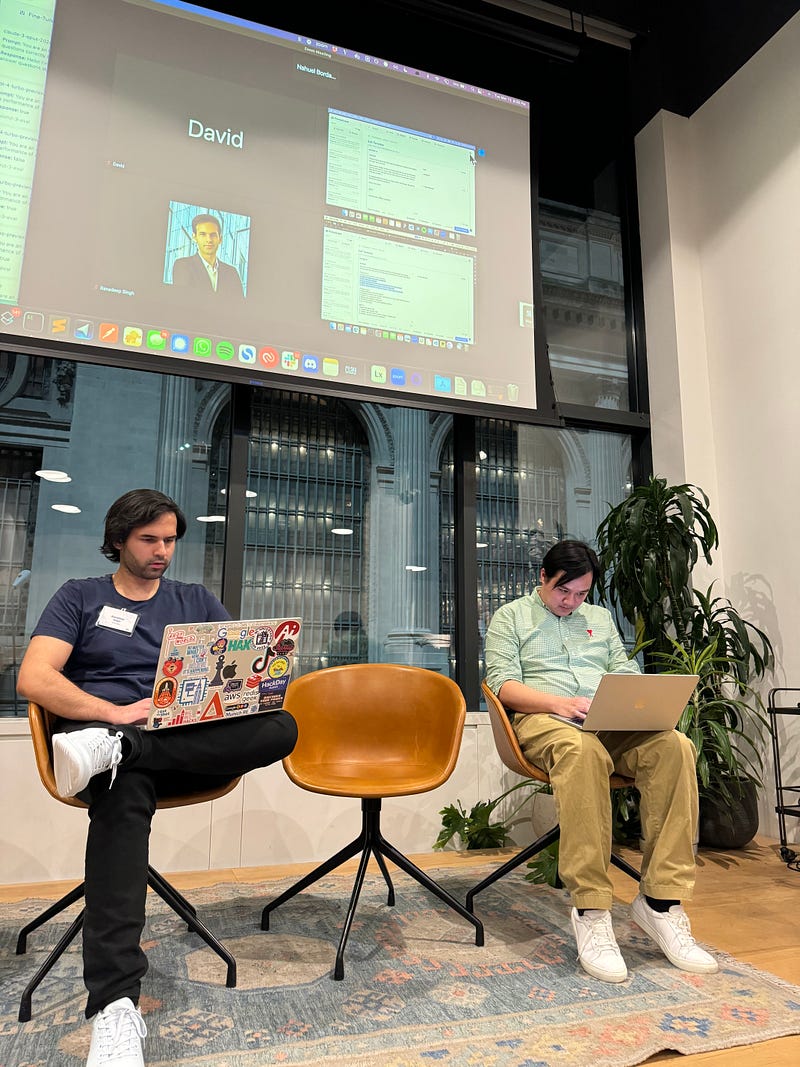
Last week, we hosted the first-ever Vibe Coding Olympics in the heart of New York City: a three-round, aggressively time-boxed hackathon where the deciding score was whether what teams shipped felt good to use. Prompting used to be the hard part. Now the hard part is deciding

The emergence of Agent-First Software Design

There's a shift happening in how we build software. For decades, programming meant writing explicit if/else decision trees. Parse this response. Handle this edge case. Chain these steps together. But a new paradigm is emerging where the job of the software engineer isn't to write

Get Out of the Model's Way

When something doesn't work, the instinct is to add more. More guardrails. More tools. More structure. With LLMs, this instinct is often wrong. Paradoxically, AI engineers are building elaborate systems to constrain models that are now smarter than the constraints themselves. We're doing the model'

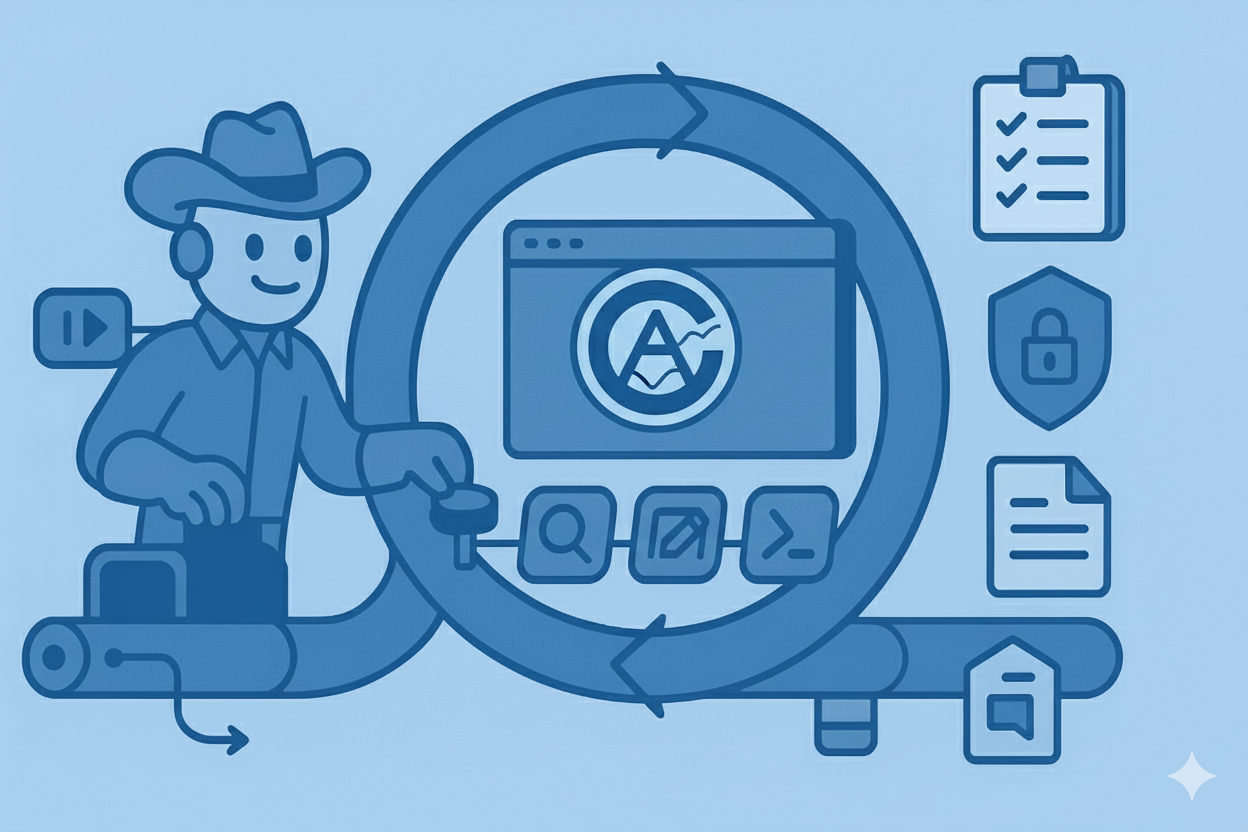
Watch my AI Engineering talk: How Claude Code Works

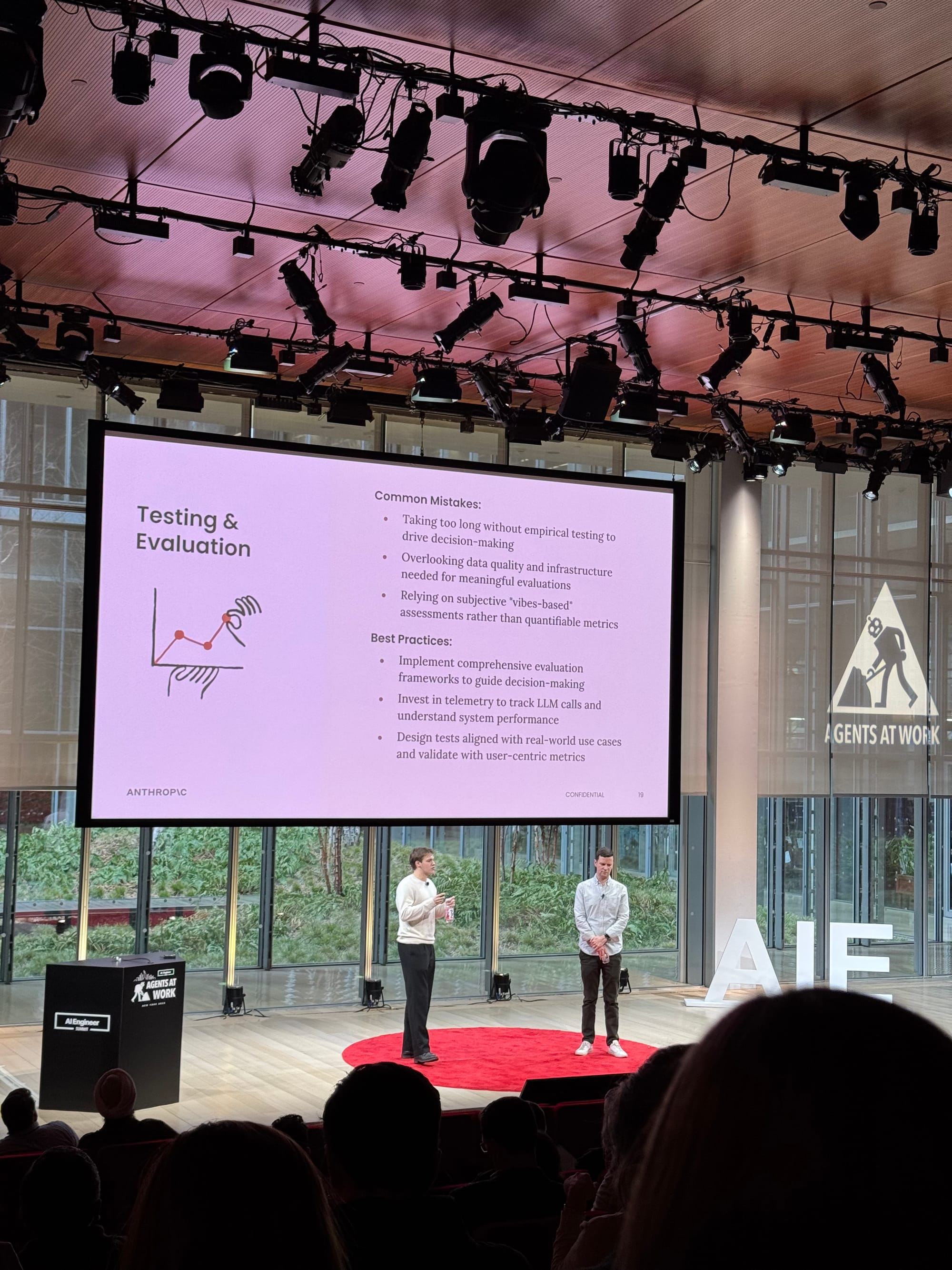
A few weeks ago, I gave a talk at the legendary AI Engineering Summit. It was titled: “How Claude Code Works” Claude Code completely changed how our engineering org functions. It really feels like a “moment” in this space. Importantly, it represents a new standard for building autonomous agents. Suddenly

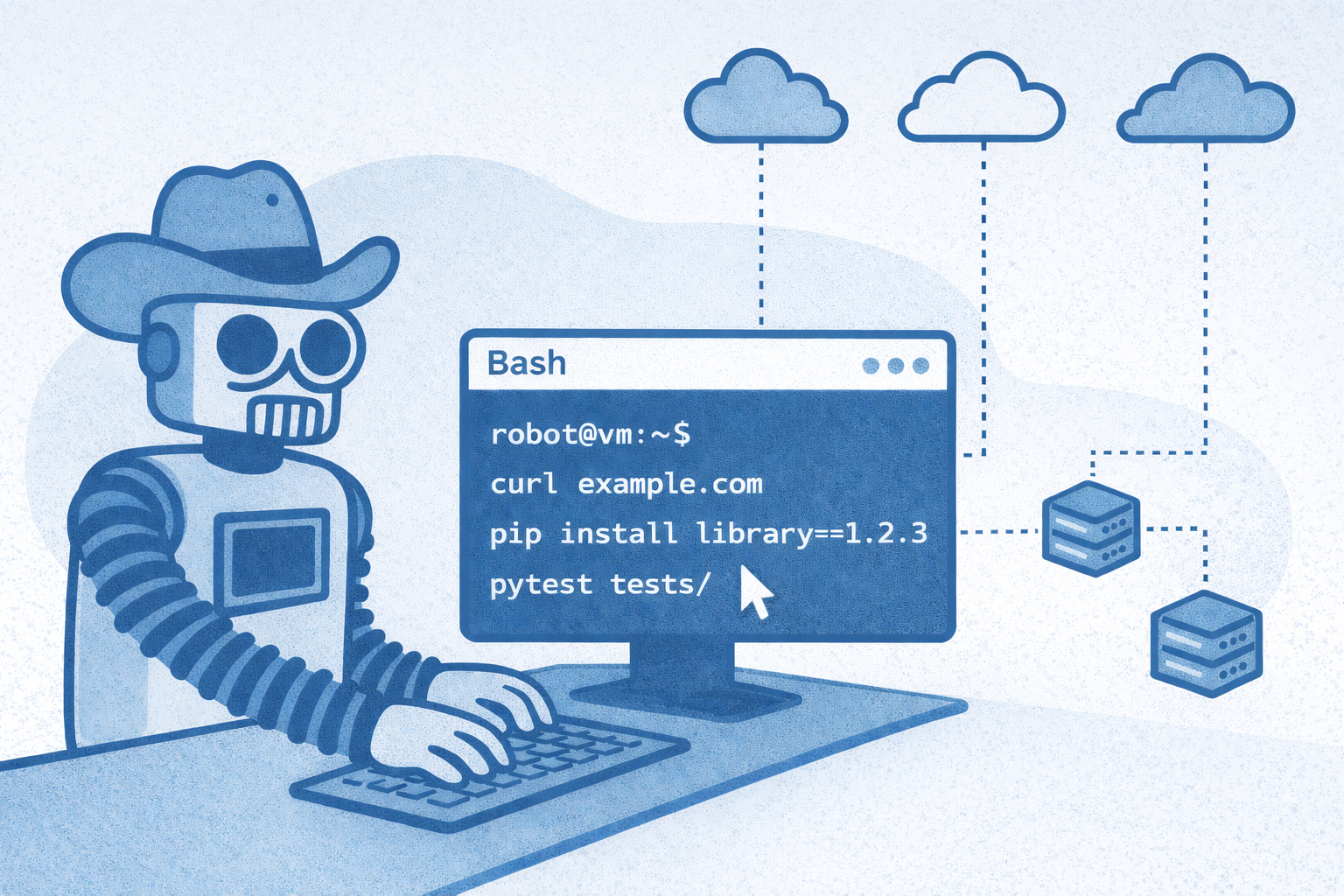
Every agent should be a VM

There is no doubt that OpenAI's Codex CLI and Anthropic's Claude Code agents are order of magnitude shifts in what we can expect from coding agents. I recently did a deep-dive and wrote some articles on how Claude Code works and how OpenAI Codex works

Bringing the Fundamentals to AI Engineering

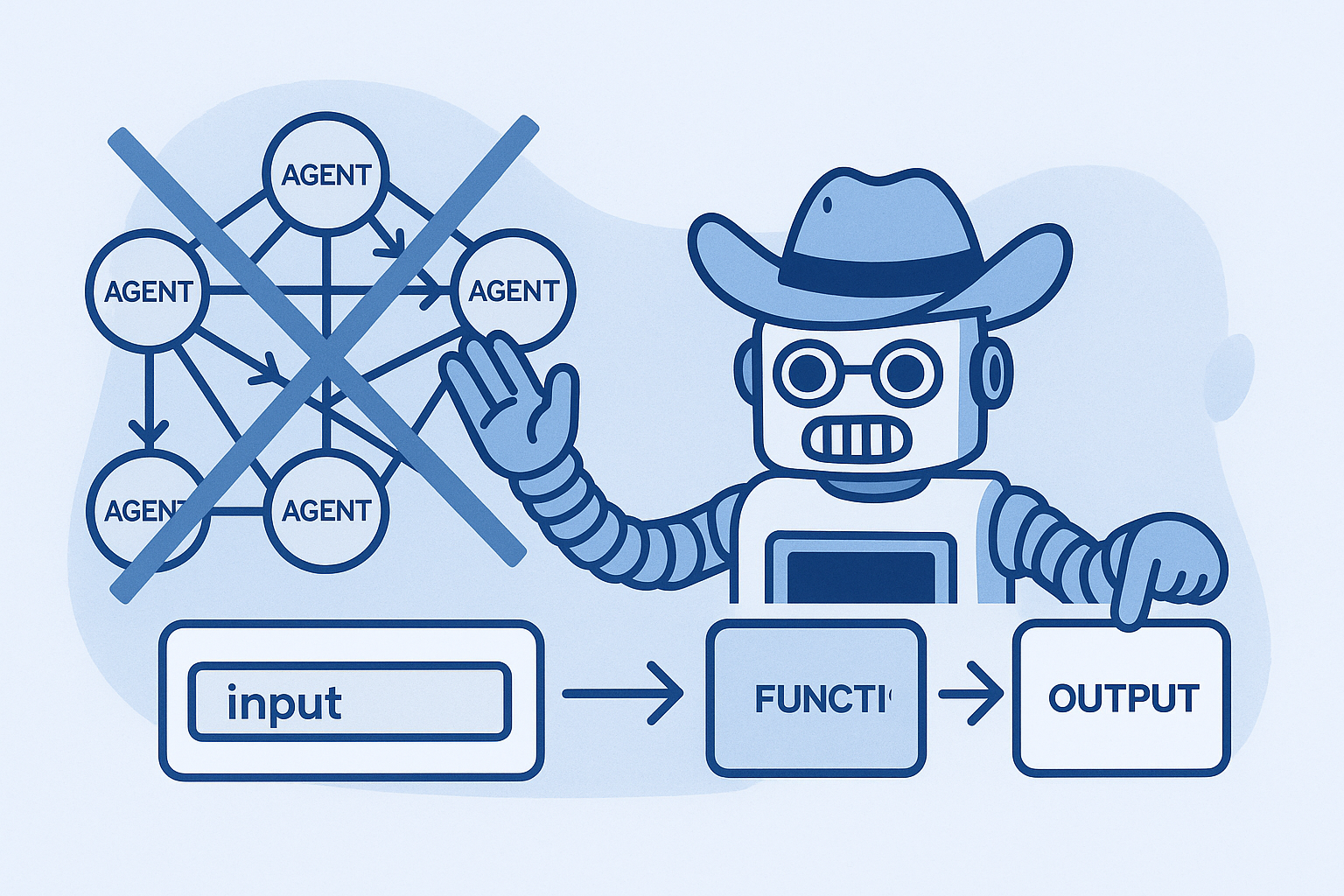
AI engineering is a new discipline, but that doesn't mean we should throw out everything we know about engineering. The same fundamentals apply: de-scope ruthlessly, think in functions, and don't build what you don't need. Too many are skipping the fundamentals. Marketing Outpaced

How OpenAI's Deep Research Works

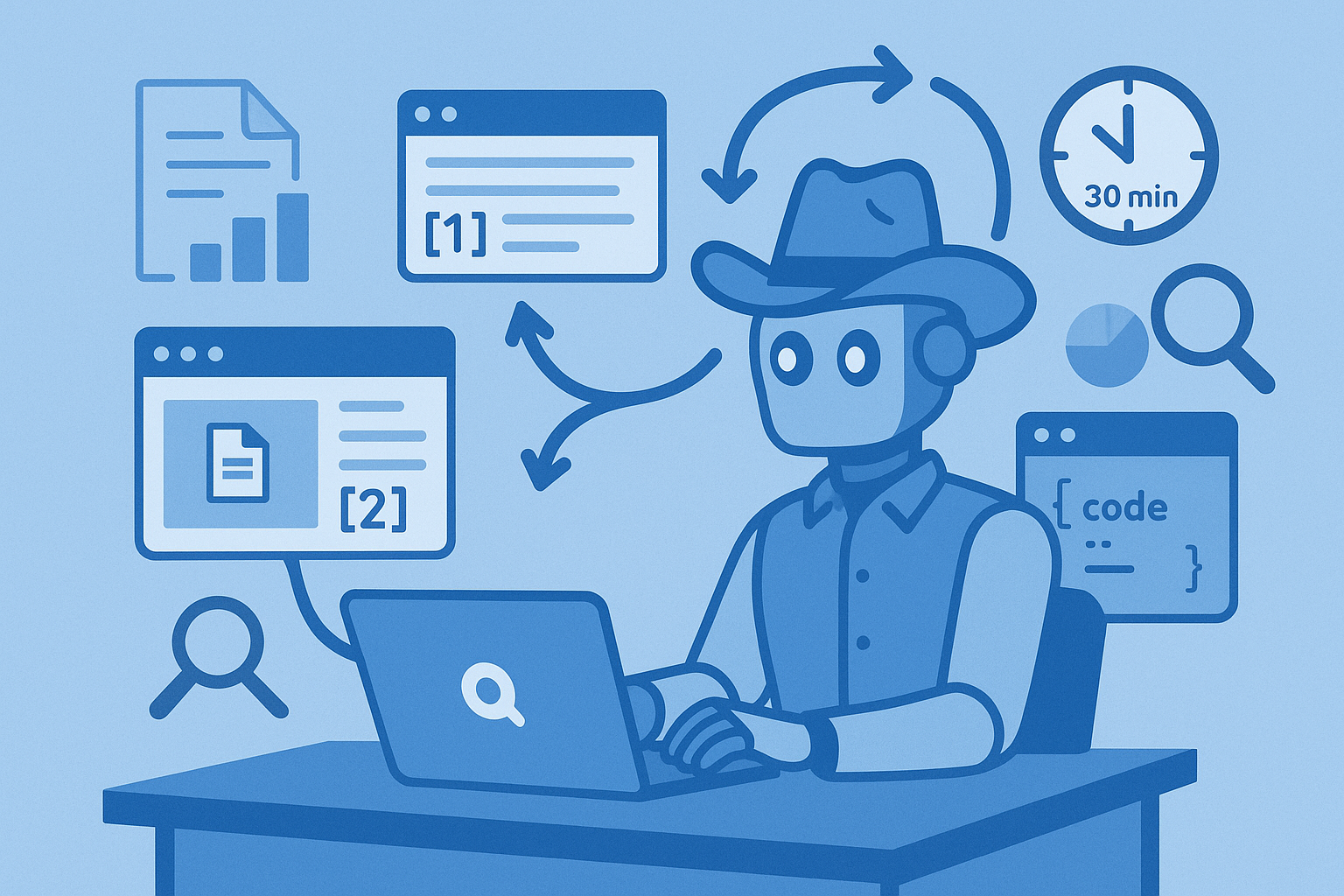
OpenAI's Deep Research is designed to accomplish in about 30 minutes what can take human researchers 6–8 hours—using a specialized reasoning model to autonomously browse the web, read dozens of sources, and produce cited reports. Deep Research represents a new category of agentic AI that doesn&

What we can learn from Anthropic's System prompt updates

Claude's system prompts evolved through dozens of versions in 2024–2025, with each change revealing concrete lessons for production prompt engineering. Find all their system prompts here https://docs.claude.com/en/release-notes/system-prompts Let's read them and see what we can learn! This

AI doesn't kill prod. You do.

I had a conversation with a customer yesterday about how we use AI coding tools. We treat AI tools like they're special, and something to be scared of. Guardrails! Enterprise teams won't try the best coding tools because they are scared of what might happen. AI

Building Agents with Claude Code's SDK

Run Claude Code in headless mode. Use it to build agents that can grep, edit files, and run tests. The Claude Code SDK exposes the same agentic harness that powers Claude Code—Anthropic's AI coding assistant that runs in your terminal. This SDK transforms how developers build AI

Claude Code has changed how we do engineering

Prioritization feels different. Our company has shipped much faster over the last two months, and multiple customers noticed. It helped us build a “Just Do It” culture and cut through prioritization paralysis. Claude Code (or OpenAI Codex, Cursor Agents) is an AI coding tool that is so good it made

LLM Idioms

An LLM idiom is a pattern or format that models tend to recognize implicitly — conventions their training has reinforced and their internal representations can use without extra explanation. These are the native languages of AI systems. To me, this is one of the most important concepts in prompt engineering. I

Is JSON Prompting a Good Strategy?

A clever trick has circulated on X/Twitter for prompt engineering called “JSON Prompting.” Instead of feeding LLMs unstructured natural-language blobs and hoping they infer the right schema, this strategy sends the query as a structured JSON object. For example... rather than "Summarize the customer feedback about shipping&

How I Automated Our Monthly Product Updates with Claude Code

From tedious manual work to comprehensive automated analysis in one afternoon 0:00 /2:41 1× If you're like me, you probably dread writing those monthly product update emails. You know the ones – where you have to comb through dozens (or hundreds) of commits across multiple repositories, trying

Why LLMs Get Distracted and How to Write Shorter Prompts

Context Rot: How modern LLMs quietly degrade with longer prompts — and what you can do about it Context Rot: What Every Developer Needs to Know About LLM Long-Context Performance How modern LLMs quietly degrade with longer prompts — and what you can do about it If you've been

What is Context Engineering?

The term "prompt engineering" surged after ChatGPT launched in late 2022. It began as a practical toolkit for getting better responses from AI: be explicit, add examples, write role-playing instructions, and experiment with the prompt optimization patterns many teams reached for first. As I've written

Best Practices for Evaluating Back-and-Forth Conversational AI

Building conversational AI agents is hard. Ensuring they perform reliably across diverse scenarios is even harder. When an agent needs to handle multi-turn conversations, preserve context, call tools, and achieve specific goals, traditional single-prompt evaluation methods fall short. In this guide, I'll walk you through best

Top 5 AI Dev Tools Compared: Features and Best Use Cases

Artificial intelligence continues to transform software development, influencing how code is written, tested, deployed, and maintained. Developers evaluating the top AI dev tools in 2025 and beyond will find a diverse set of solutions designed to streamline workflows, support creativity, and help solve complex problems. This article explores the leading

Top 5 No Code LLM AI Tools for Building LLM Applications

Teams across industries—from marketing to finance—seek new ways to leverage AI, and no code LLM AI platforms eliminate technical roadblocks. These no code solutions empower teams to create LLM-driven applications in minutes, no developer required. They let non-technical users design, test, and launch powerful language-model

Production Traffic Is the Key to Prompt Engineering

Let's be honest—you can tinker with prompts in a sandbox all day, but prompt quality plateaus quickly when you're working in isolation. The uncomfortable truth is that only real users surface the edge cases that actually matter. And here's the kicker: the LLM

How to Evaluate LLM Prompts Beyond Simple Use Cases

A common question we get is: "How can I evaluate my LLM application?" Teams often push off this question because there is not a clear answer or tool for them to use to address this challenge. If you're doing classification or something that is programmatic like

Where to Build AI Agents: n8n vs. PromptLayer

When you're having trouble getting one prompt to work, try splitting it up into 2, 3, or 10 different prompt workflows. When prompts work together to solve a complex problem, that's an AI agent. What Are AI Agents and What Are They Used For AI agents

Lessons from OpenAI's Model Spec

OpenAI's Model Spec is a useful reference for how the company describes model behavior, instruction hierarchy, and prompt-engineering tradeoffs. Here's what it means for AI teams building LLM-powered apps, prompts, and agents—and how to apply it in everyday prompting. The Three-Layer Approach

The Death of Prompt Engineering Has Been Greatly Exaggerated

As AI models become increasingly sophisticated, there's a growing narrative that prompt engineering – the art and science of instructing large language models – will soon become obsolete. As models get better at understanding natural language, will the need for carefully crafted prompts will disappear? The death of prompt engineering

PromptLayer Announces our $4.8M Seed Round

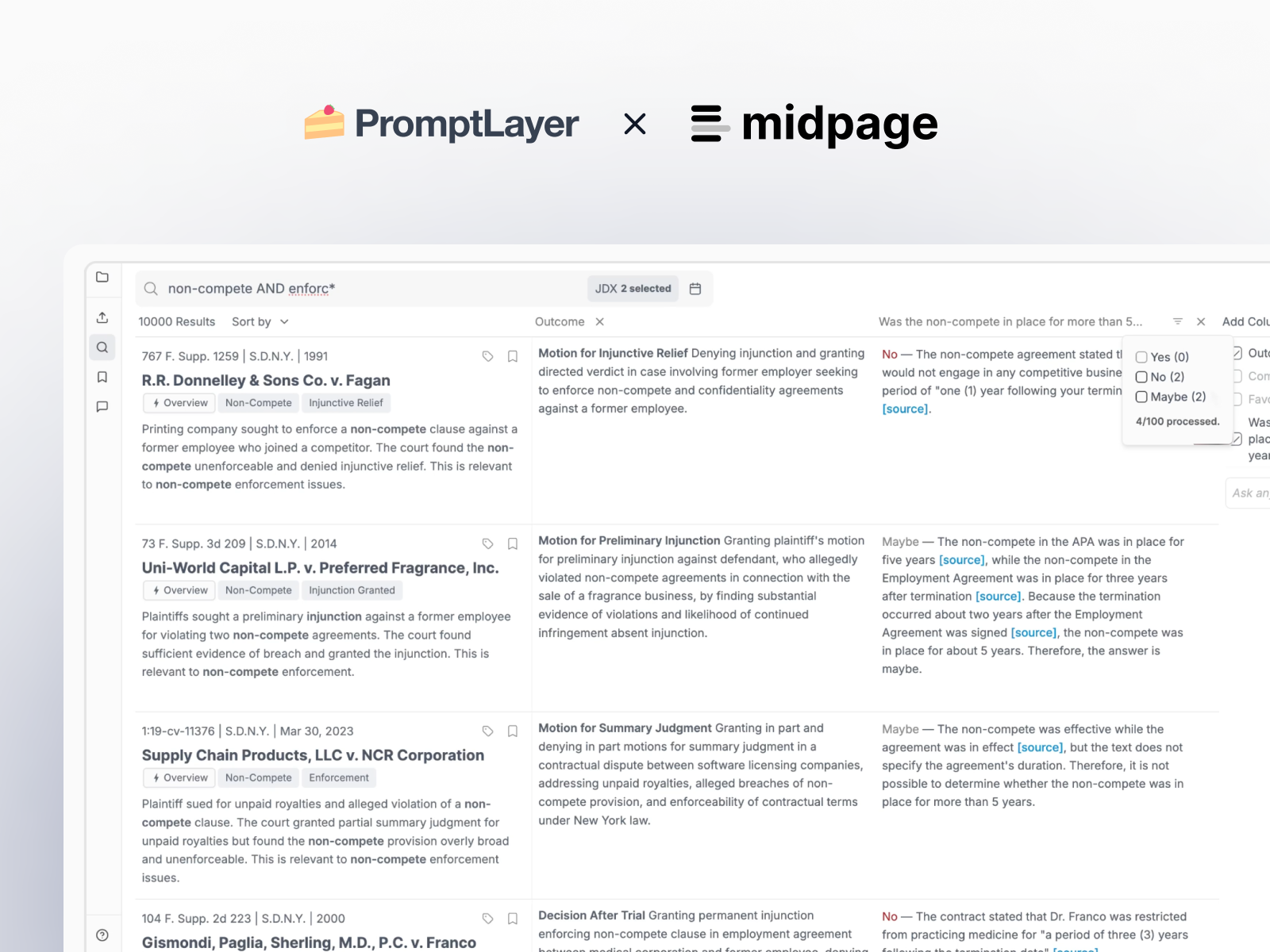
Software development is being fundamentally reshaped by AI, but the biggest challenge often isn't technical expertise—it's domain knowledge. The next generation of AI products will be built with doctors, lawyers, educators, and other subject-matter experts working alongside AI engineers, not just machine learning specialists.

Is RAG Dead? The Rise of Cache-Augmented Generation

As language models evolve, their context windows keep getting longer—and AI teams are rethinking how much information to include up front versus retrieve on demand at inference time. This shift is challenging assumptions about retrieval, latency, cost, and prompt design. Enter Cache-Augmented Generation (CAG), an approach gaining attention

Unlocking the Human Tone in AI

I have a confession: I talk to robots. A lot. Not the shiny, sci-fi kind (though I wouldn't say no), but the digital minds behind the chatbots, the writing assistants, the AIs that are weaving themselves into the fabric of our daily lives. And for a long

Your AI Might Be Overthinking: A Guide to Better Prompting

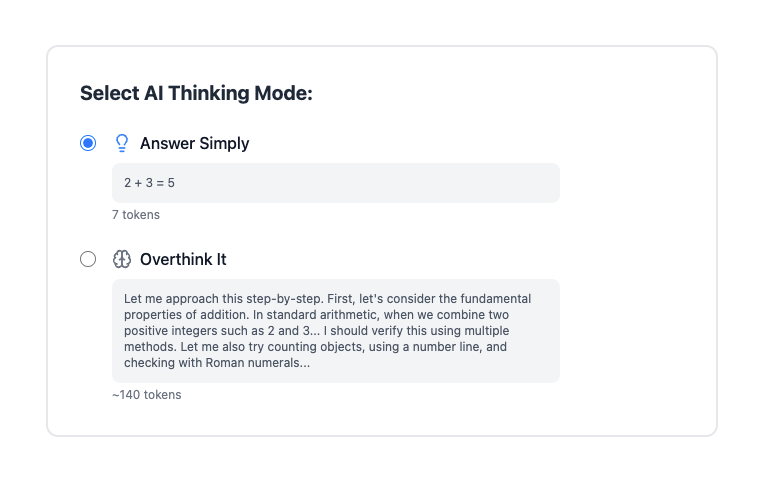
Recent research suggests that modern AI language models, particularly reasoning-focused LLMs like o1, often engage in excessive computation. Here's what this means for prompt engineering and how you can optimize your AI interactions. The Overthinking Problem Consider this striking example: when asked to solve a simple “2+

How OpenAI's o1 model works behind-the-scenes & what we can learn from it

The o1 model family, developed by OpenAI, represents a significant advancement in AI reasoning capabilities. These models are specifically designed to excel at complex problem-solving tasks, from mathematical reasoning to coding challenges. What makes o1 particularly interesting is its ability to break down problems systematically and explore multiple solution

All you need to know about prompt engineering

I recently recorded a podcast with Dan Shipper on Every. We covered a lot of ground, but the most useful thread was prompt engineering from first principles. Figured I would out all the highlights in blog form. The reports of prompt engineering's demise have been greatly exaggerated. The

The Prompt Engineering Triangle – the Future of GenAI

In his landmark paper 'A Mathematical Theory of Communication,' Claude Shannon laid the foundation of information theory. In this seminal work, Shannon described the concept of information entropy. Information entropy is the idea that we can measure how much content is in a signal. Shannon then goes on

Prompt Engineering Guide to Summarization

Summarizing information effectively remains one of the most practical ways to use language models in production. But creating a truly useful summarization agent goes far beyond a simple "summarize this" command. In this guide, we’ll explore advanced prompt engineering techniques that help summarization agents stay reliable, source-

Understanding prompt engineering

Imagine chatting with a brilliant friend who knows almost everything and is always ready to help — be it answering a tricky question, summarizing a lengthy article, or generating creative content. Sounds incredible, right? Welcome to the world of Large Language Models (LLMs). These AI models have revolutionized how we interact

(Untitled)

vibeserving In early August 2025, a tweet from Pieter Levels (@levelsio) simply stated: “Mobile vibeservering now!” Attached was a screenshot of code running on his phone; the setting: grocery shopping alongside his girlfriend. In less than a day, the post blew up, racking up over 130,000 views. What started

(Untitled)

graph TD A[User Input] --> B{Tool or Function Call Needed?} B -->|Yes| C[Call Tool or Function] B -->|No| D[Generate LLM Response] C --> E[Return Tool Result] E --> D D --> F[Send Response to User]

Grounding LLMs: How Function Calling Makes AI Actionable

On 30 November 2022, ChatGPT was introduced by OpenAI, taking the world by storm. Few expected a machine to produce words that seemed so human. But after the first few days, as things kept unfolding, people quickly started to realise that these tools were initially mostly good for amusement, while

Prompt Engineering Guide: Function Calling

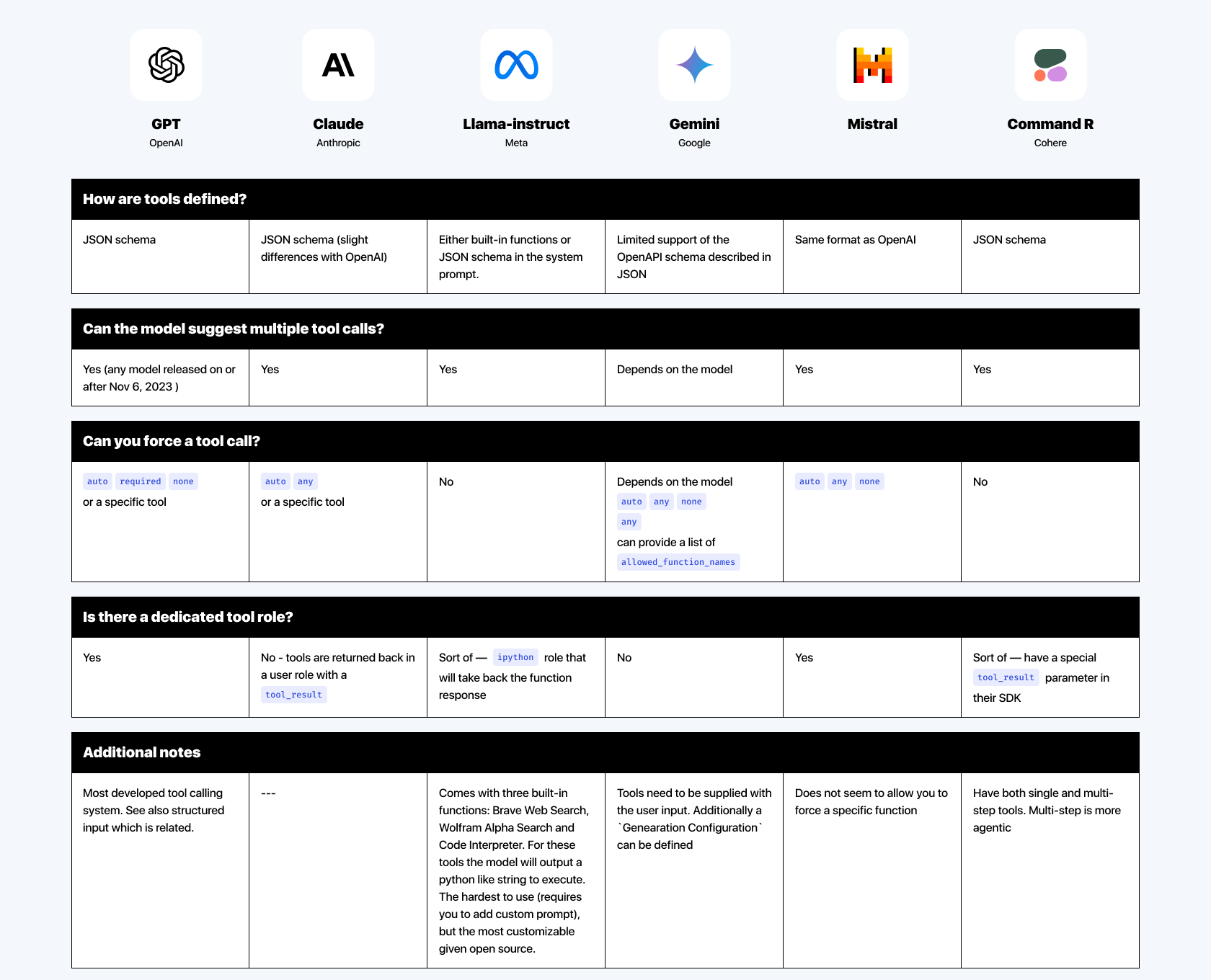
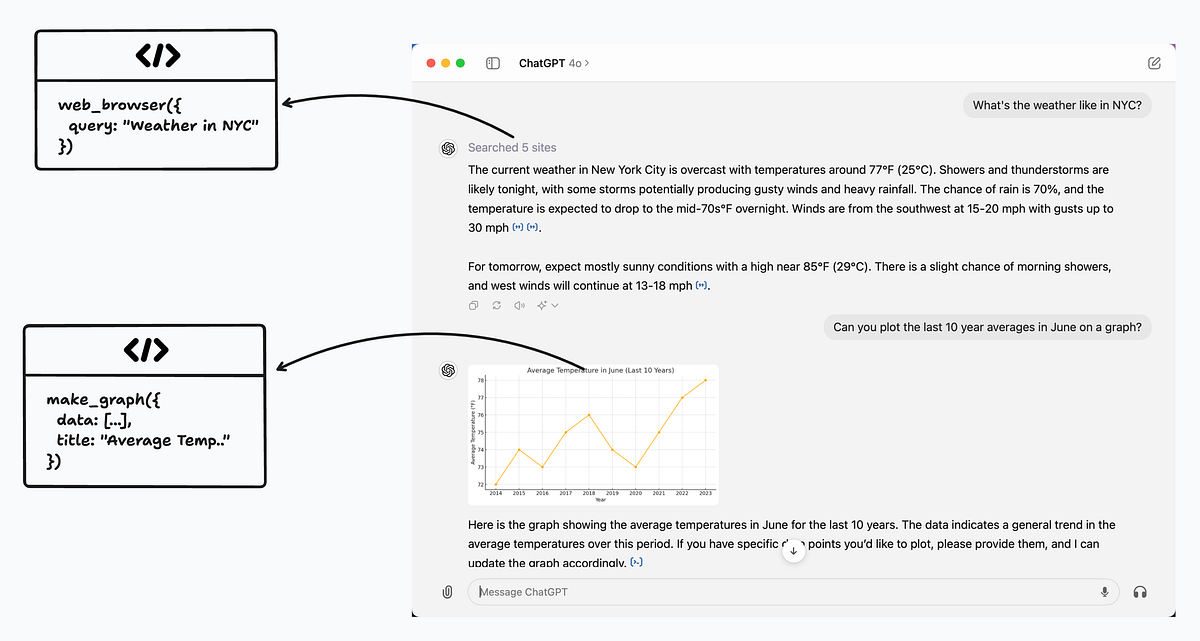
Function calling—often called tool calling—is a transformative feature in modern AI language models that lets developers extend AI assistants by connecting them to external functions and APIs. It enables models to trigger specific actions, access up-to-date data, and interact with services beyond their built-in language

Humans are responsible for their AI tools

Claude Code can ignore Markdown rules; one of our engineers had a local DB table dropped; and sometimes the easiest way for an agent to pass tests is to delete them. This isn't a cautionary tale about AI gone rogue. It's a reality check about human

The first platform built for prompt engineering