We hosted the first Vibe Coding Olympics

Last week we hosted the first-ever Vibe Coding Olympics in the heart of New York City: a three-round, aggressively time-boxed hackathon where the only score that mattered was whether the result felt good.
Prompting used to be the hard part.
Now the hard part is deciding what to build.
We had first-time, non-technical makers sitting next to startup builders (including folks from Ramp and Cursor), with senior engineers from Google and Reddit bouncing between tables.
We’ve hosted hackathons before, but this one felt different for two reasons:
- The competition was judged purely on vibes.
- Every build had to be AI-assisted.
Contestants had under 15 minutes per round to ship something that worked and still felt like someone cared.
When the barrier to building drops this low, technical complexity stops being the differentiator. What stands out instead is judgment: knowing what to build, what to cut, and how to make something feel coherent in minutes.
The format
We ran three rounds:
- Round 1 (Qualifier): HTTP endpoint golf
- Round 2: Build something for bike delivery couriers (with Joco)
- Round 3: Re-imagine an AI-native Instagram (live 1v1)
Judging criteria: vibes.
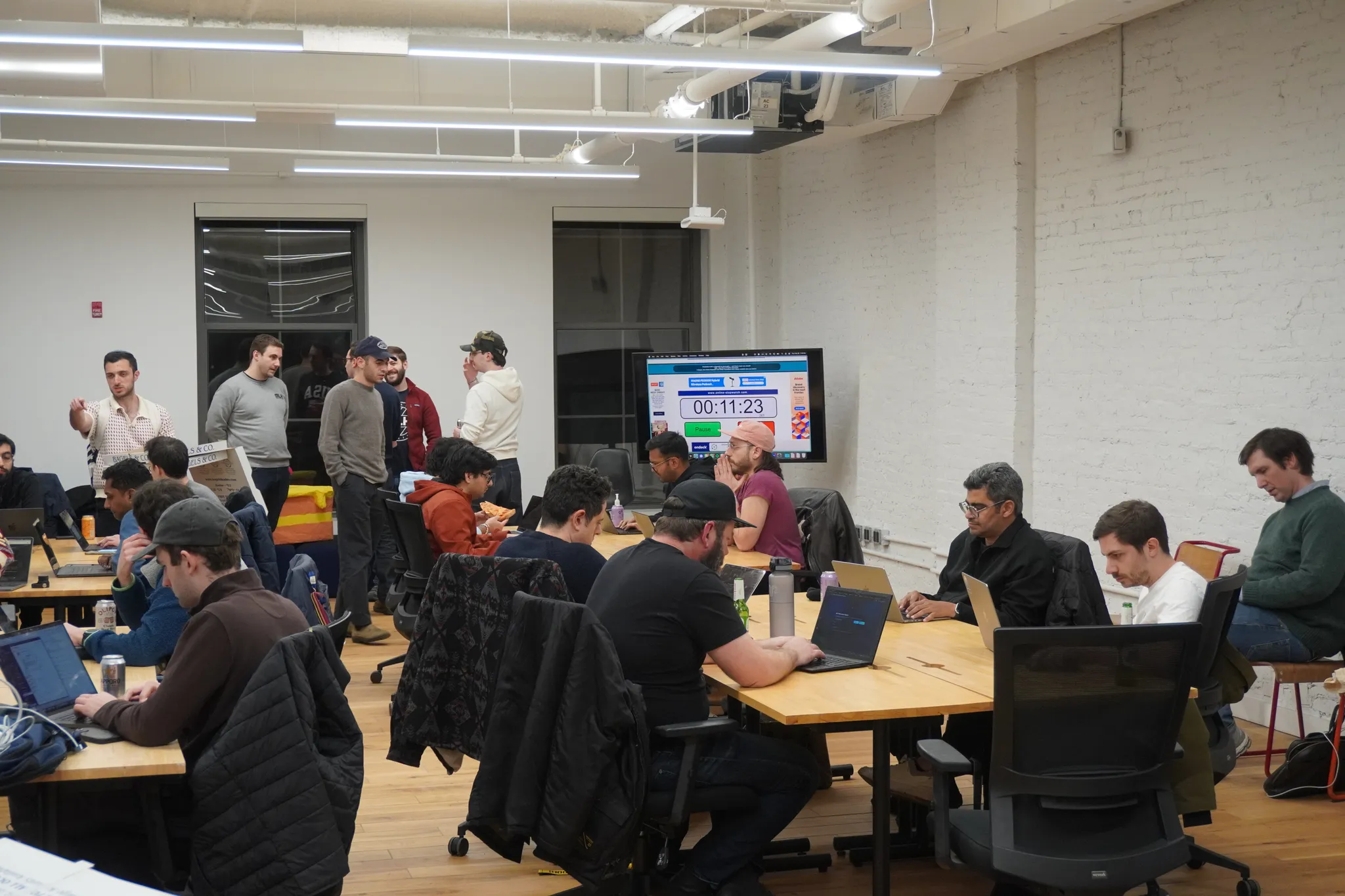
Round 1 — Endpoint golf (qualifier)
To qualify, you didn’t just fill out a form. You had to earn your way in.
We hid registration behind an easter-egg hunt: a chain of clues tucked behind a PromptLayer endpoint.
On the surface it looked like a riddle. In practice, it forced lots of tiny moves, fast context switches, and a relentless “follow the thread” mindset. In other words, it was a perfect agent problem.
What we saw was a clean split:
- Teams who leaned into agents cruised. They’d hand off each clue, let an agent poke at endpoints, summarize what changed, and keep the main thread moving.
- Teams who tried to do it human-only hit the grind. Manual debugging, losing context between steps, and spending precious minutes on mechanical exploration.
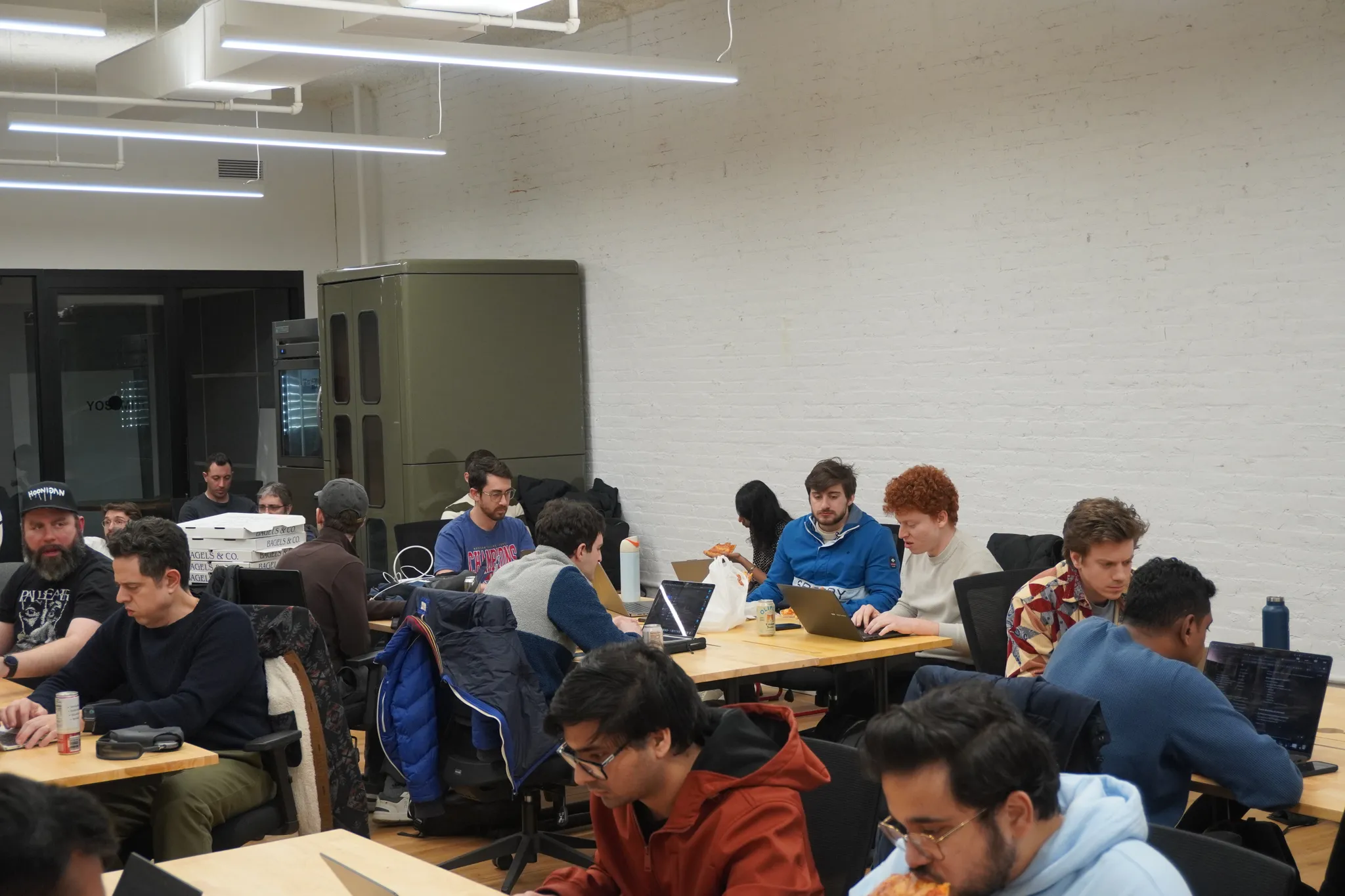
Round 2 — “Build something useful for riders” (with Joco)
For the second round, we handed the mic to our friends at Joco, the delivery bike rental service used by riders across Uber Eats, DoorDash, Grubhub, and more.
They intentionally kept the prompt ambiguous:
Create an application that could be useful for our riders.
Joco gave a quick example: a tool to find the nearest restroom between stops.
Then the clock started.
Contestants settled into their vibe-coding setups of choice and started shipping: Lovable, Claude Code, Codex, and whatever else they trusted to get from idea to app fast.
Some teams iterated on the restroom-finder concept. Others ignored the example and sprinted toward their own takes.
When time was up, the variety was the best part. Judges saw everything from:
- A halal food tracker
- A refuel and supply map
- An all-in-one rider dashboard
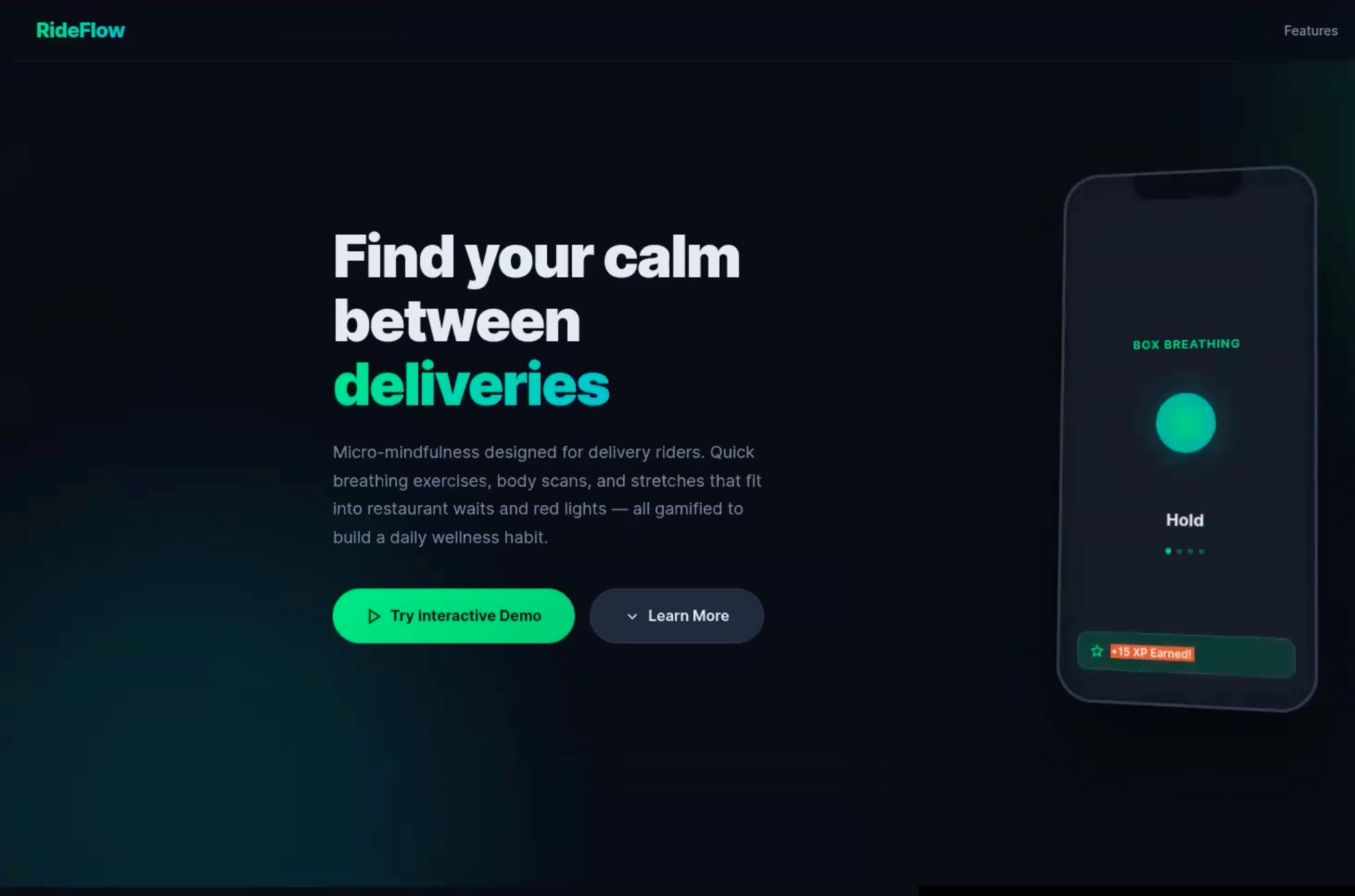
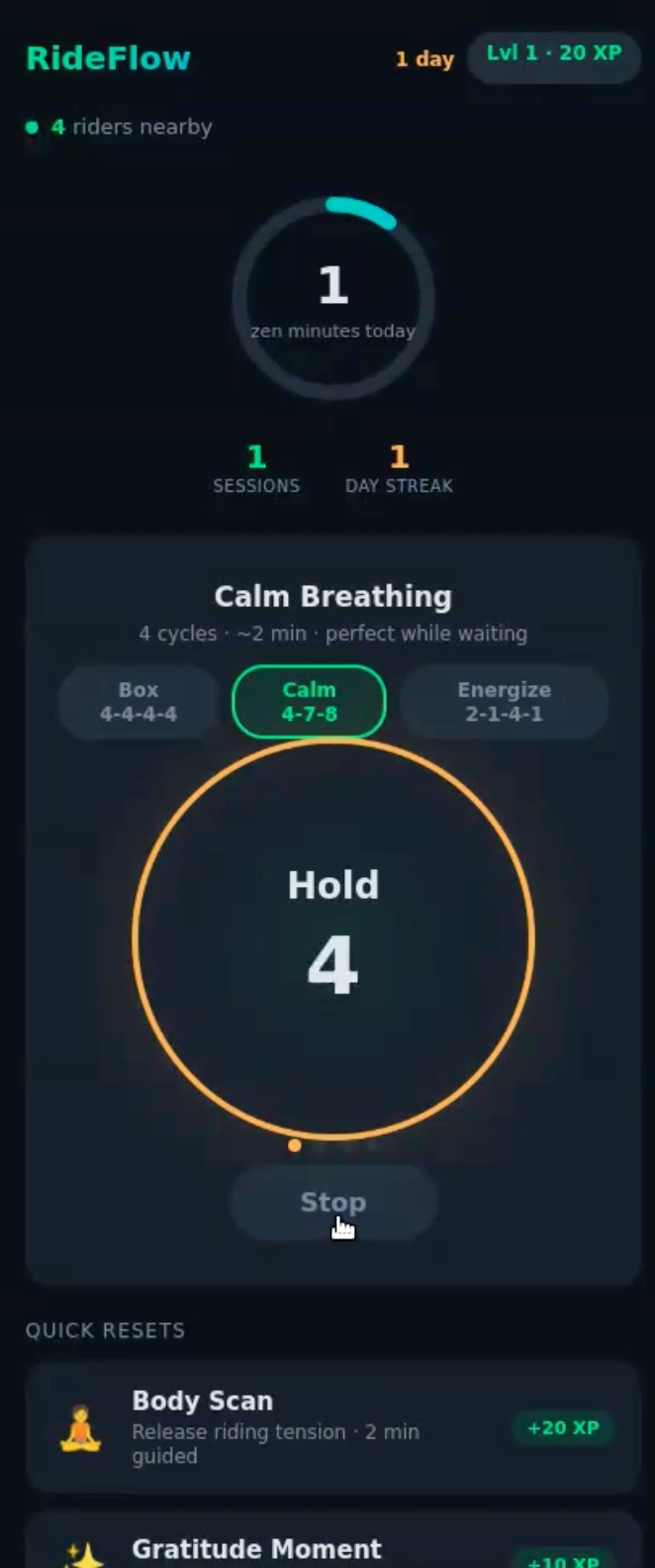
- A meditation app for between deliveries
- A rider dating app
The winners captured two very different versions of “useful,” both executed with strong taste:
- A meditation app, designed to help riders take a moment to reset mid-shift
- A rider dating app, built to connect riders with other riders nearby
Neither win was about technical novelty. But they won on vibes of course.
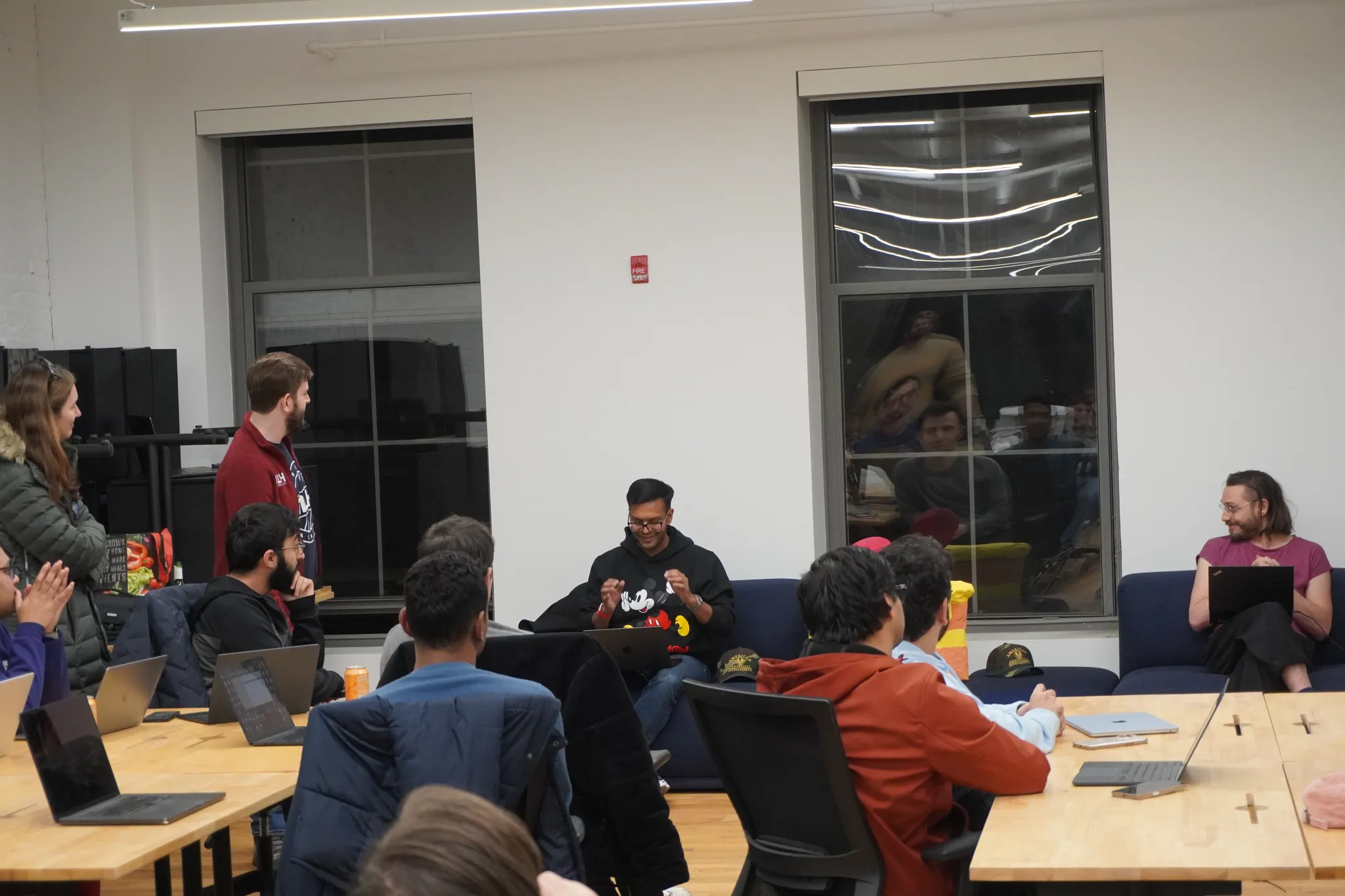
Round 3 — Live 1v1 (AI-native Instagram)
For the final round, the winners went head-to-head.
Live split-screen vibe coding. Two contestants. One audience.
One competitor tried to parallelize agents. The other obsessed over getting the initial prompt exactly right, landed a fast one-shot, and used the remaining time to polish.
By the end, we had two impressively finished apps to choose from:
- A social feed for abstract ideas and memories
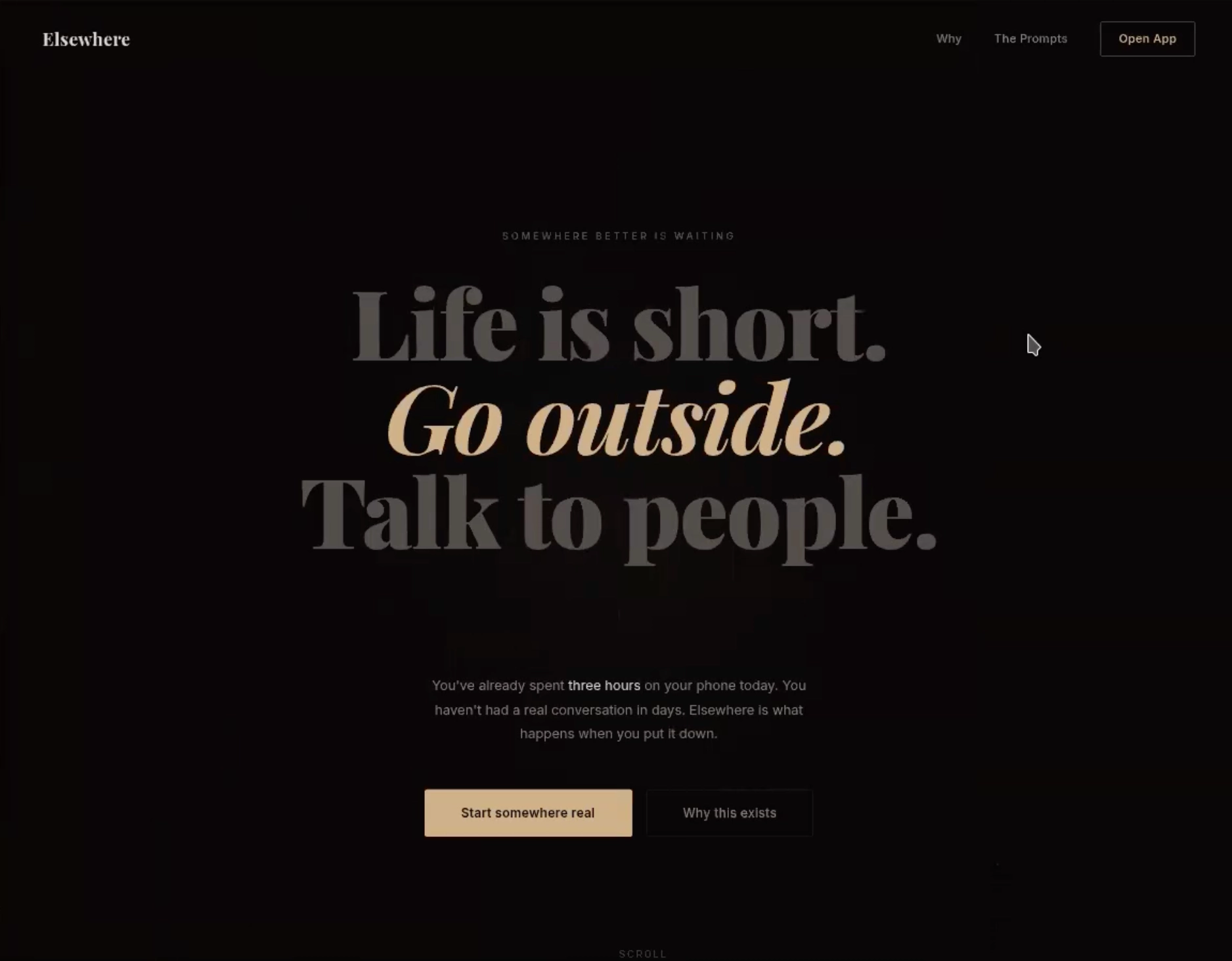
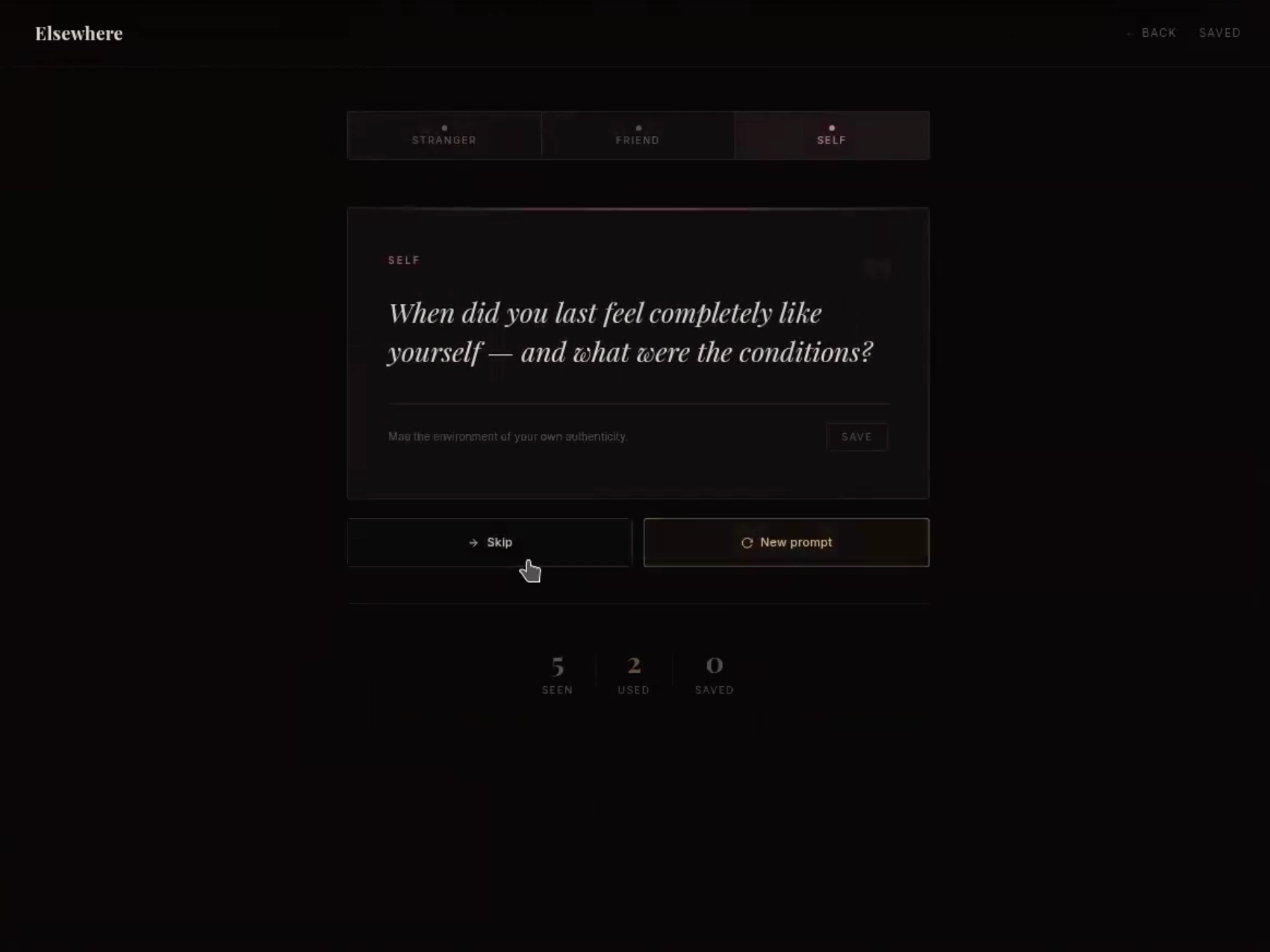
- A social product designed to connect people in real life and nudge them to go outside
The winner was the social media concept for abstract ideas and memories.
Again, the deciding factor wasn’t who knew the most frameworks.
It was who made the cleanest product calls under pressure.
What this night made obvious
AI-assisted coding has changed what it means to be “good” at building.
When you can go from prompt to working product in minutes, execution stops being the differentiator.
What stands out is judgment.
Taste becomes the leverage:
- Choosing what matters enough to ship
- Cutting everything else
- Making the interface, copy, and flow feel intentional
- Keeping the experience coherent under time pressure
We’ll do another soon
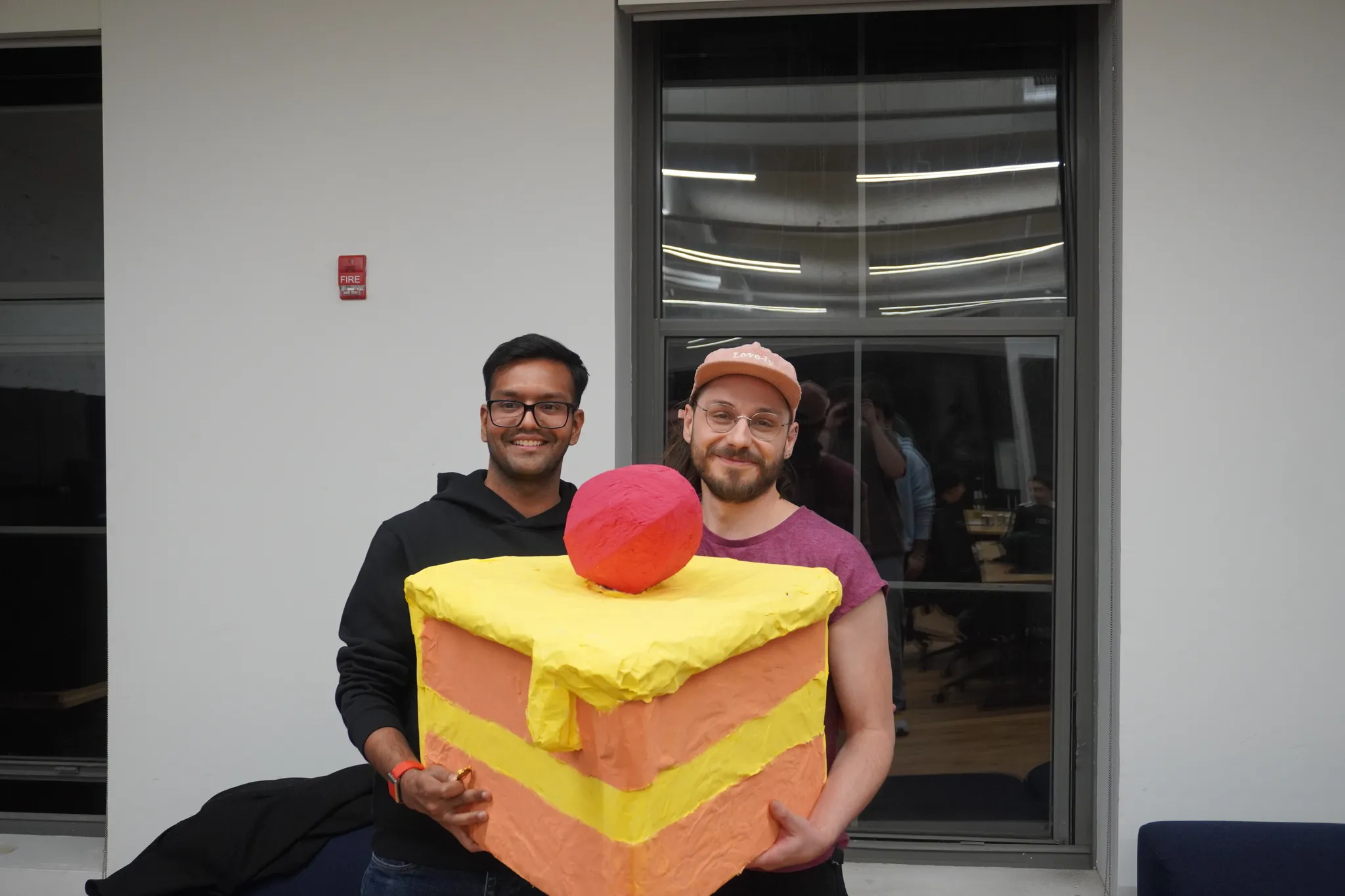
Huge thanks to everyone who built, judged, and helped make the night happen.
We’ll be back with another one soon.
Winning submissions
A quick look at the winning builds.
Elsewhere (Round 3 2nd Place Winner)
An app for people to find activities to do, self-reflect, and meet people.
RideFlow (Round 2 Finalist)
A platform for riders to meditate and find zen between deliveries.