Super Claude Code: How structured prompts turn Claude Code into a true development partner
AI coding assistants have become genuinely useful, but getting consistent, expert-level output from them remains surprisingly tricky. Developers struggle with the gap between an LLM's raw potential and its actual performance on complex coding tasks. SuperClaude, a community-built framework created by developer Anton Knorery, addresses this challenge head-on by giving Claude Code a structured playbook for every phase of development. The project has resonated deeply with developers, 20,000 GitHub stars and becoming a go-to solution for teams seeking more reliable AI-assisted workflows.
Plain LLM interactions fall short in real projects
Without guidance, AI coding assistants tend to drift. You ask for a security audit and get a refactoring suggestion. You request architecture advice and receive implementation details you didn't want yet. The problem isn't capability - it's focus.
Complex development tasks require context switching between roles: architect, reviewer, optimizer, debugger. When you rely on ad-hoc prompting, you spend significant effort steering the AI rather than actually building. Each prompt becomes a mini-negotiation, and the results vary wildly based on phrasing. This inconsistency makes it hard to trust the AI for serious work, and harder still to integrate it into team workflows where predictability matters.
Structured approaches like SuperClaude address this by giving both you and the AI a shared vocabulary. Instead of crafting elaborate instructions each time, you invoke a command that encapsulates best practices for that specific task.
What SuperClaude actually is
SuperClaude is an open-source configuration framework that enhances Claude Code with 19 slash commands and 9 personas. It's not a separate tool or API - it's a set of carefully designed prompts that live in your local .claude directory and shape how Claude responds to development tasks.
The commands span four development phases:
- Design: Architecture planning, API design, system modeling
- Development: Code generation, building, implementation
- Analysis: Code review, optimization, debugging
- Operations: Testing, deployment, documentation
Each command encodes structured guidance for its specific task, ensuring Claude approaches problems methodically rather than improvising. The framework was introduced by Anton Knorery (GitHub: NomenAK) in mid-2025, and its rapid adoption reflects how badly developers needed this kind of structure.
Commands and personas working together
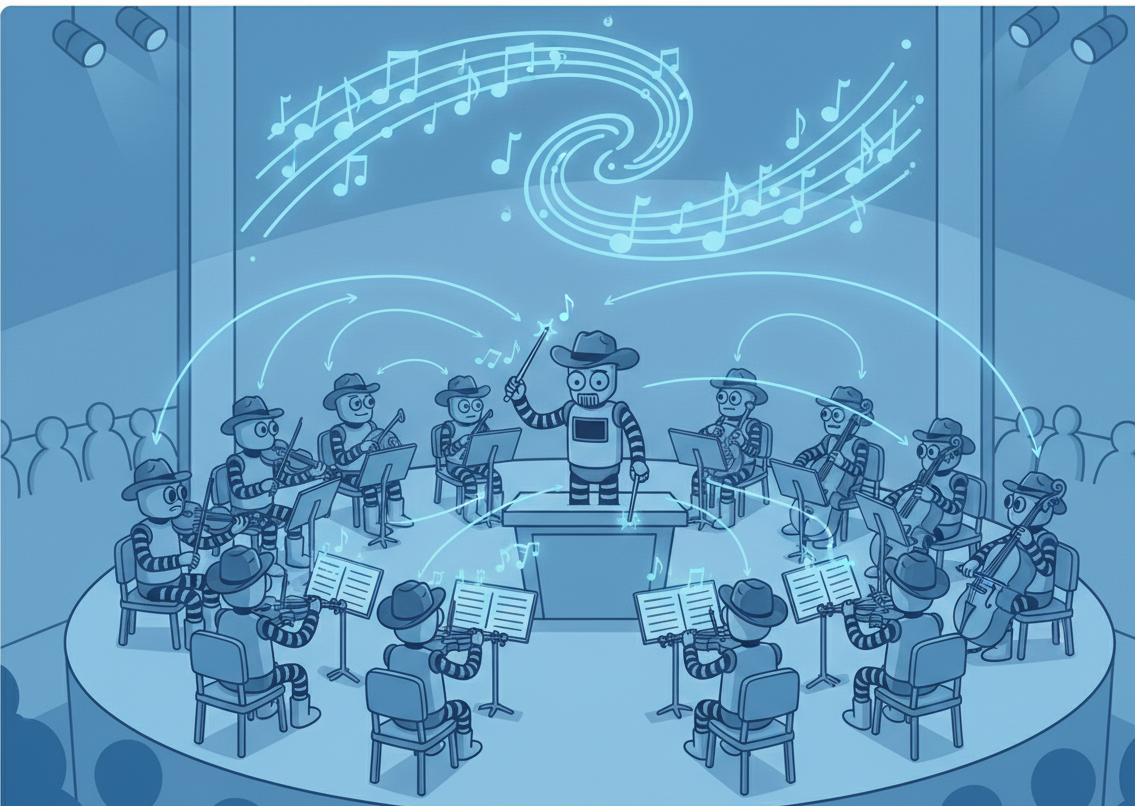
The real power of SuperClaude emerges when you combine slash commands with cognitive personas. Commands define what you want done, while personas define the perspective Claude should adopt.
The nine personas include architect, security, performance, QA, frontend, backend, and others. They work as universal flags, attachable to any command where specialized expertise improves the output. Think of personas as expert lenses - when Claude wears the security hat, it genuinely thinks like a security reviewer, surfacing concerns that a general-purpose response would overlook.
SuperClaude Command × Persona Matrix
This combination transforms prompt engineering from an art into something closer to a standardized workflow. You stop wondering how to phrase requests and start simply invoking the right command-persona pair for your current task.
Why this approach delivers better results
Predetermined commands create consistent, methodical prompts that eliminate guesswork on both sides of the interaction. You know exactly what to ask for, and Claude knows exactly how to approach it.
The benefits compound across several dimensions:
- Domain-specific guidance on demand: Instead of hoping Claude remembers to consider security implications, you explicitly activate that expertise when needed
- Improved context management: SuperClaude includes built-in context compression, reportedly reducing token usage by approximately 70% for large codebases, which means you can work with bigger projects without hitting limits
- Reproducible workflows: Team members can share command sequences, ensuring everyone gets similar quality outputs regardless of individual prompting skill
- Reduced cognitive load: You stop crafting elaborate prompts and start focusing on the actual development decisions
Anecdotal feedback from the community suggests meaningful productivity gains, though rigorous benchmarks remain limited. What's clear is that developers who adopt the framework report spending less time wrestling with the AI and more time reviewing its useful output.
Getting started takes minutes
Installation is deliberately simple. Clone the SuperClaude repository, run the installer, and the configuration drops into your ~/.claude directory with zero additional dependencies. The framework operates 100% locally - it doesn't introduce new servers or send your code anywhere beyond Claude Code already does.
Once installed, real-world usage might look like this:
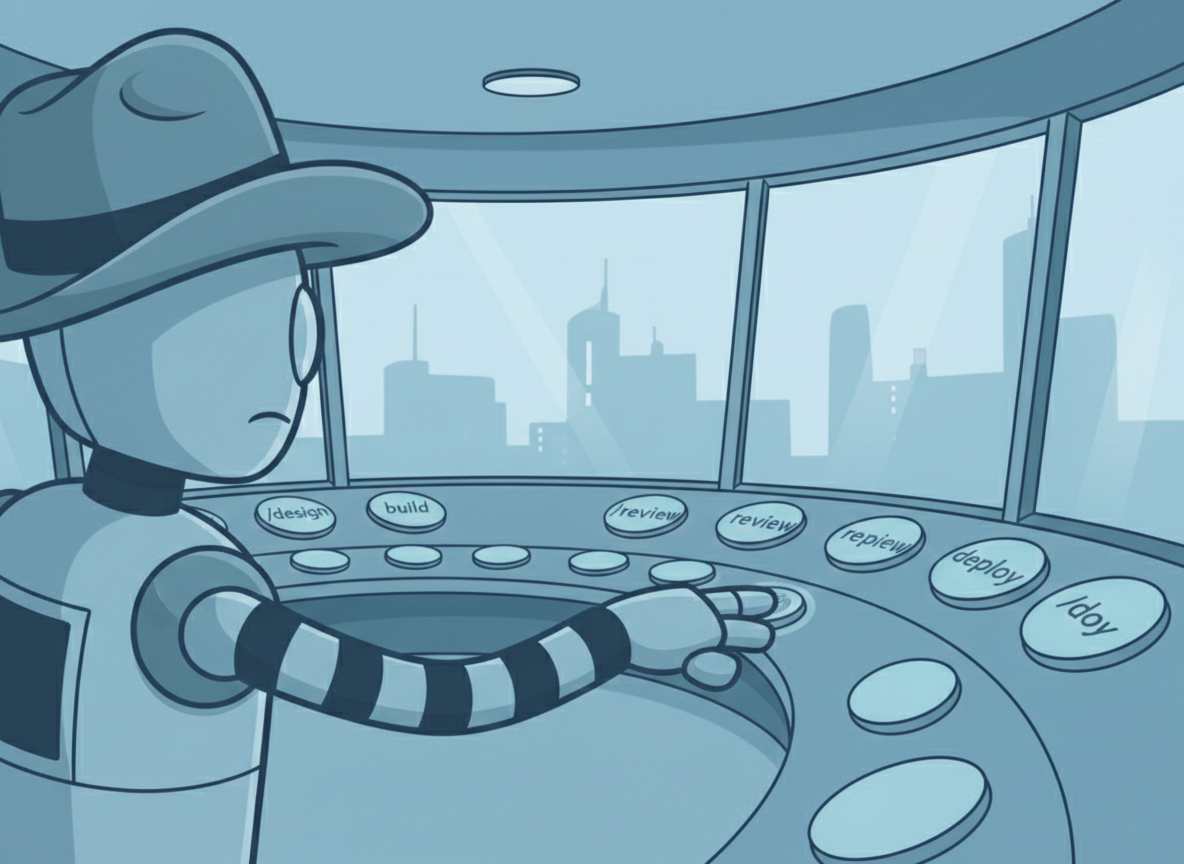
- Code skeleton generation: Run /design --architect with your requirements, then /build to generate implementation scaffolding based on that design
- AI-driven code reviews: Use /review --security --performance before merging to catch issues across multiple dimensions simultaneously
- Deployment automation: Invoke /deploy with appropriate flags to generate deployment scripts and configuration files tailored to your infrastructure
The practical appeal lies in how quickly you can integrate SuperClaude into existing workflows. There's no learning curve beyond memorizing a handful of commands, and the payoff is immediate.
Where this fits in the broader landscape
SuperClaude represents a broader trend toward prompt-layer frameworks - essentially, operating procedures for AI. Rather than treating LLMs as black boxes you poke with natural language, these frameworks impose structure that makes interactions more predictable and outcomes more reliable. Platforms like PromptLayer take this idea further by letting teams version, log, and evaluate their prompts systematically - so the kind of structured workflows SuperClaude enables for individual developers can be managed, tested, and improved at scale across an entire organization.
Whether Anthropic eventually incorporates these ideas officially remains an open question. The community-driven nature of SuperClaude demonstrates that developers will build what they need regardless. Similar patterns are emerging across other LLM ecosystems, suggesting that structured prompt frameworks may become standard practice rather than optional enhancements.
For teams investing in AI-assisted development, frameworks like SuperClaude offer a glimpse of what mature AI tooling looks like. The gap between a powerful model and a useful tool often comes down to the interface layer - and that's exactly where SuperClaude operates.
Stop negotiating with your AI
SuperClaude is a reminder that the biggest unlock in AI-assisted dev is often not a new model, it's a better playbook. When commands and personas tell Claude what role to play and how to proceed, you get output that's easier to trust, easier to repeat, and easier to share across a team.
If Claude Code feels powerful but unpredictable, give SuperClaude a real trial run. Pick one workflow you do every week, like a pre-merge review or a performance pass, and standardize it with a command-persona pair. Once you feel the difference, you'll stop prompt-wrestling and start shipping.