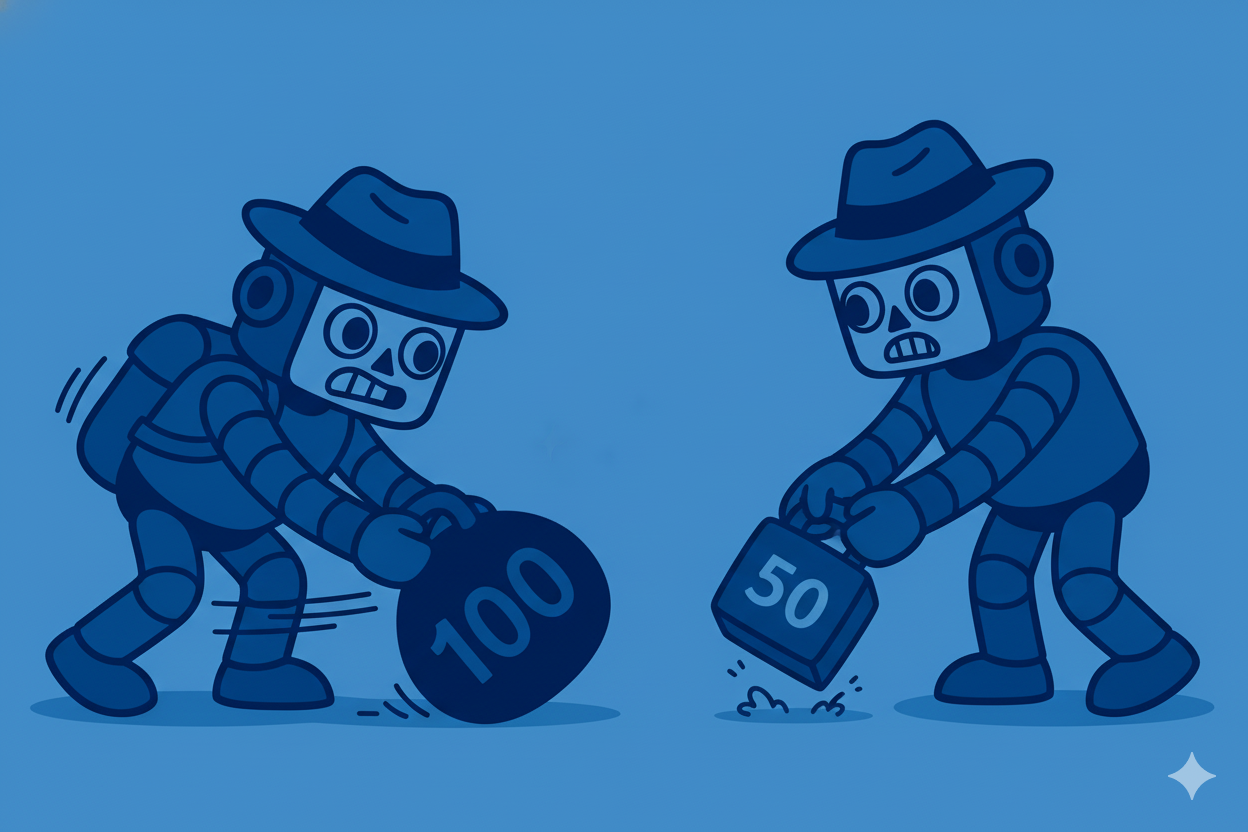
Bringing the Fundamentals to AI Engineering

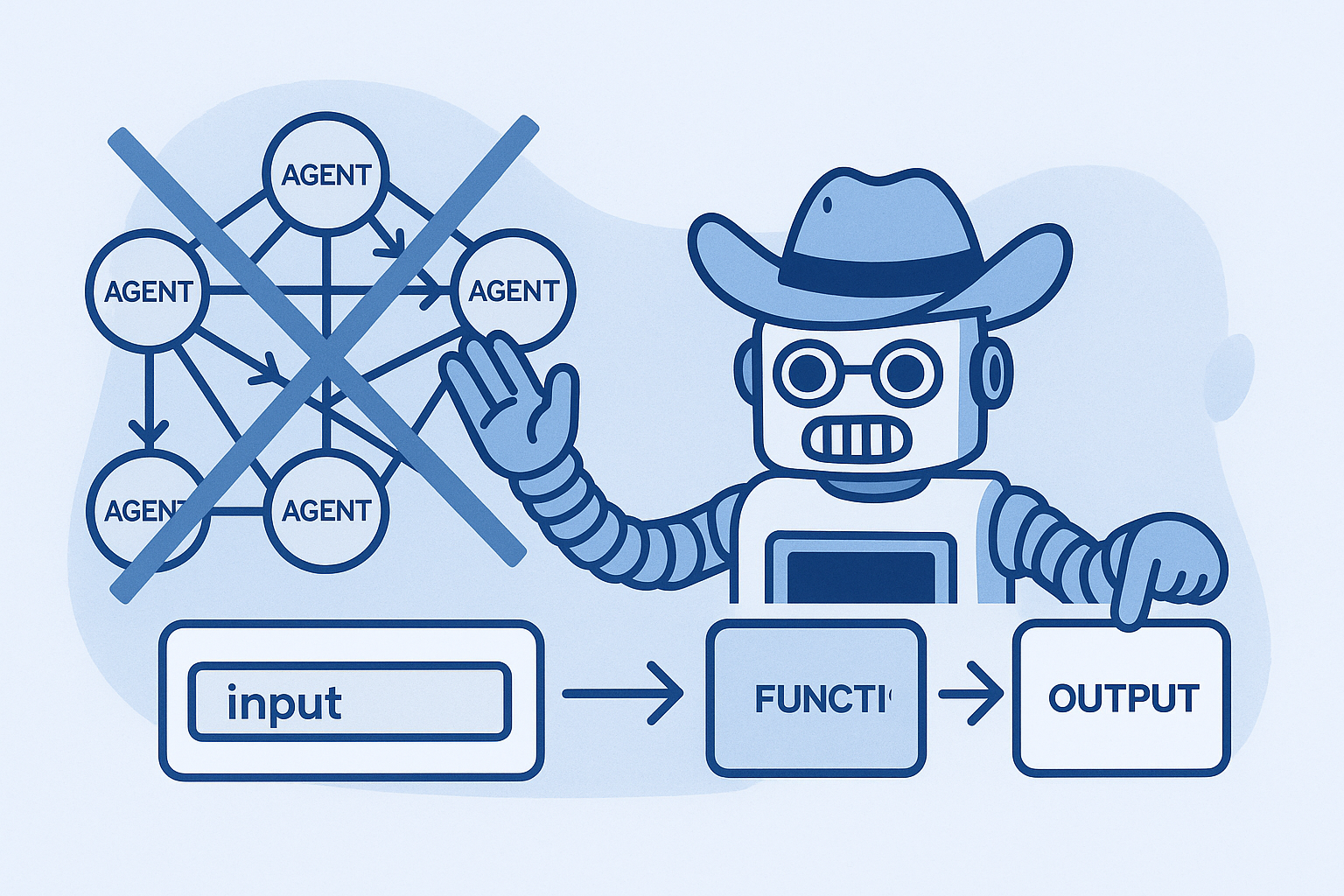
AI engineering is a new discipline, but that doesn't mean we should throw out everything we know about engineering. The same fundamentals apply: de-scope ruthlessly, think in functions, and don't build what you don't need. Too many are skipping the fundamentals. Marketing Outpaced

How to Fine-Tune a Translation Model

Here's a surprising fact: you can unlock a large language model's translation abilities with as few as 32 parallel examples. This discovery is revolutionizing how we approach specialized translation, making high-quality translation accessible for medical journals, legal documents, literary works, and even endangered languages, all

AI Chatbot Conversations Archive

The LMSYS-Chat-1M dataset exposed the sheer scale of modern chatbot interactions, 1 million real-world conversations from 210,000 unique users with state-of-the-art language models. This revelation is a window into the massive infrastructure quietly recording every exchange between humans and AI systems worldwide. Behind

Grok 5: What We Expect

Elon Musk recently made a striking claim that drew attention across the AI community: Grok 5 has a "10% and rising" chance of achieving AGI—or something indistinguishable from it. This is more than a routine tech-CEO prediction; it is a direct challenge to the AI establishment

Drag-and-Drop LLMs: Zero-Shot Prompt-to-Weights Synthesis

What if you could customize an AI model in seconds, just by describing what you want it to do? This is the revolutionary promise of Drag-and-Drop LLMs, a breakthrough approach that transforms how we adapt language models for specific tasks. Traditional model fine-tuning through methods like LoRA

Composer: What Cursor's New Coding Model Means for LLMs

Cursor just released Composer, an AI model that completes coding tasks in under 30 seconds, 4× faster than comparable systems, and it's trained inside real codebases using reinforcement learning. This isn't merely an incremental improvement to existing AI coding assistants; Composer represents a fundamental shift from

text-embedding-3-small: High-Quality Embeddings at Scale

OpenAI made embeddings both stronger and 5× cheaper: text-embedding-3-small improves on its predecessor while costing just $0.02 per million tokens. The model transforms text into 1536-dimensional vectors for semantic search, clustering, and RAG applications, delivering a major cost-efficiency gain for production AI systems and

The first platform built for prompt engineering