Claude-code-spec-workflow

AI coding agents are reshaping software development, enabling faster iteration and more efficient engineering workflows. However, without clear, testable specs, review loops, and regression checks, these agents can introduce costly regressions and unpredictable behavior. For teams using Claude Code, adopting a spec-driven development (SDD) workflow is critical to gaining


GitHub Copilot vs Cursor: Navigating AI-Powered Coding Assistants

The rise of AI-driven coding assistants like GitHub Copilot and Cursor is reshaping developer productivity. These tools promise to streamline coding through intelligent suggestions, automated refactoring, and natural language interactions. As teams evaluate which AI assistant to adopt, understanding the key differences between GitHub Copilot and Cursor becomes crucial

spec-workflow-mcp: A Structured Approach to AI Software Development

For developers looking to manage the complexity of autonomous agents, spec-workflow-mcp offers a focused approach. It is a specialized, MCP-compliant server built to bring more discipline and consistency to the creation of software specifications. As organizations move from simple chatbots to sophisticated agents that manage files and

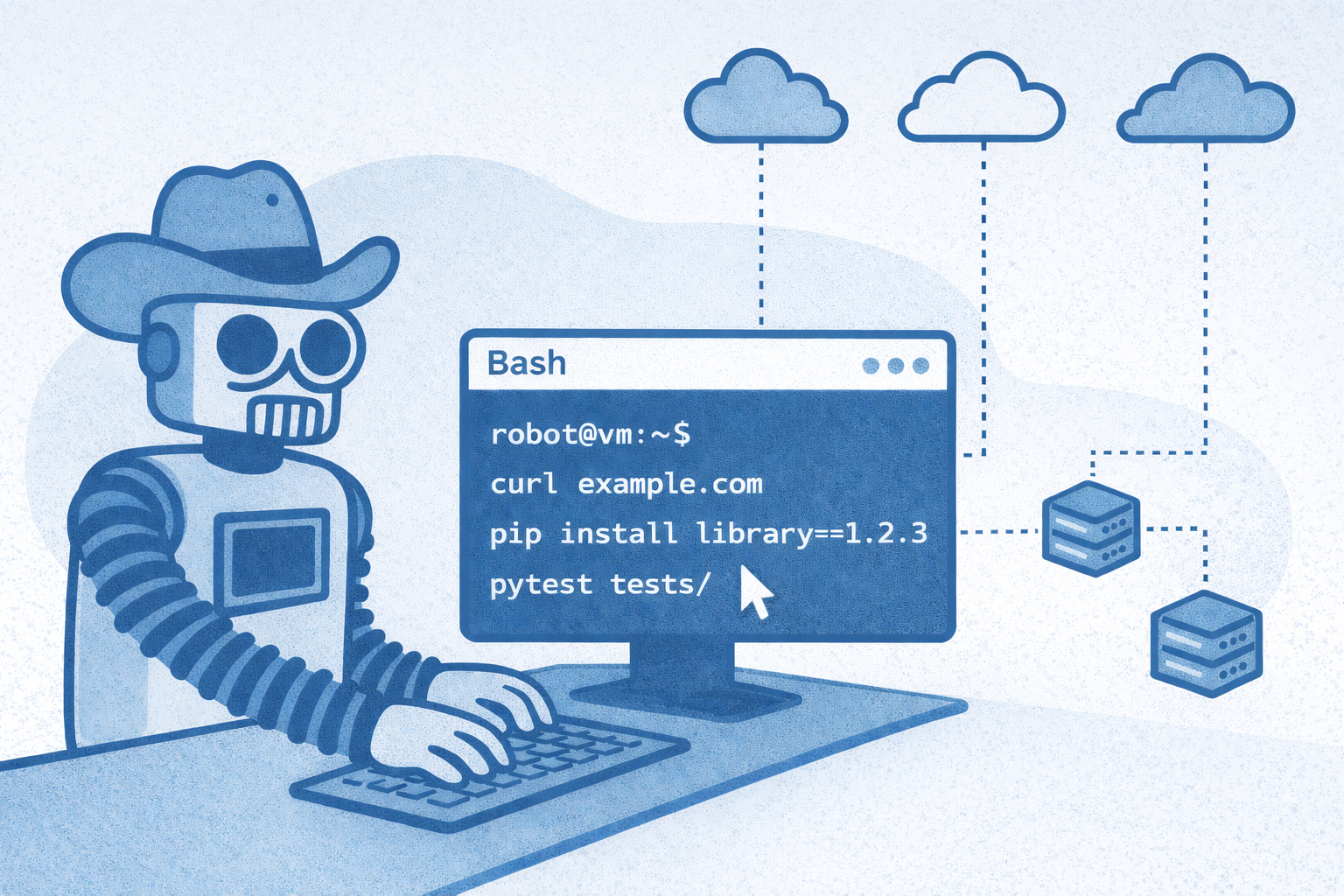
Every agent should be a VM

There is no doubt that OpenAI's Codex CLI and Anthropic's Claude Code agents are order of magnitude shifts in what we can expect from coding agents. I recently did a deep dive and wrote articles exploring how Claude Code works and how OpenAI Codex works behind

GPT-5 API Features (Our Breakdown)

GPT-5 isn’t just another model upgrade—it’s a tectonic shift in the landscape of developer tools for AI. If you’ve spent time wrangling the limits of GPT-3.5 or GPT-4, prepare for a different experience: enormous 400,000-token context windows, agent-level tool

GPT-5.2: What’s New

The AI landscape is marked by fierce competition - and OpenAI has just doubled down with the release of GPT-5.2. Rolled out amidst reports of an internal "code red" following Google’s Gemini 3 release, this update isn't just about flashy demos. It represents a

Agentic RAG: Embracing The Evolution

Imagine an AI assistant that doesn’t just retrieve documents from a static index, but actively plans, reasons, and adapts - diving into multiple knowledge sources, rerouting based on ambiguous queries, and validating its own outputs. This, in a nutshell, is the promise of Agentic Retrieval-Augmented Generation (RAG). As LLM-

The first platform built for prompt engineering