DeepSeek R1 vs OpenAI O1: An In-Depth Comparison

OpenAI and DeepSeek are major players in the development of advanced language models, each bringing distinct strengths to the table. Their reasoning-focused models, OpenAI’s o1 and DeepSeek’s R1, represent significant strides in AI reasoning and problem-solving. While OpenAI’s o1 is engineered for complex scientific and


Lessons from OpenAI's Model Spec

OpenAI's Model Spec is a useful reference for how the company describes model behavior, instruction hierarchy, and prompt-engineering tradeoffs. Here's what it means for AI teams building LLM-powered apps, prompts, and agents—and how to apply it in everyday prompting. The Three-Layer Approach

The Death of Prompt Engineering Has Been Greatly Exaggerated

As AI models become increasingly sophisticated, there's a growing narrative that prompt engineering – the art and science of instructing large language models – will soon become obsolete. As models get better at understanding natural language, will the need for carefully crafted prompts will disappear? The death of prompt engineering

What is Test Time Compute?

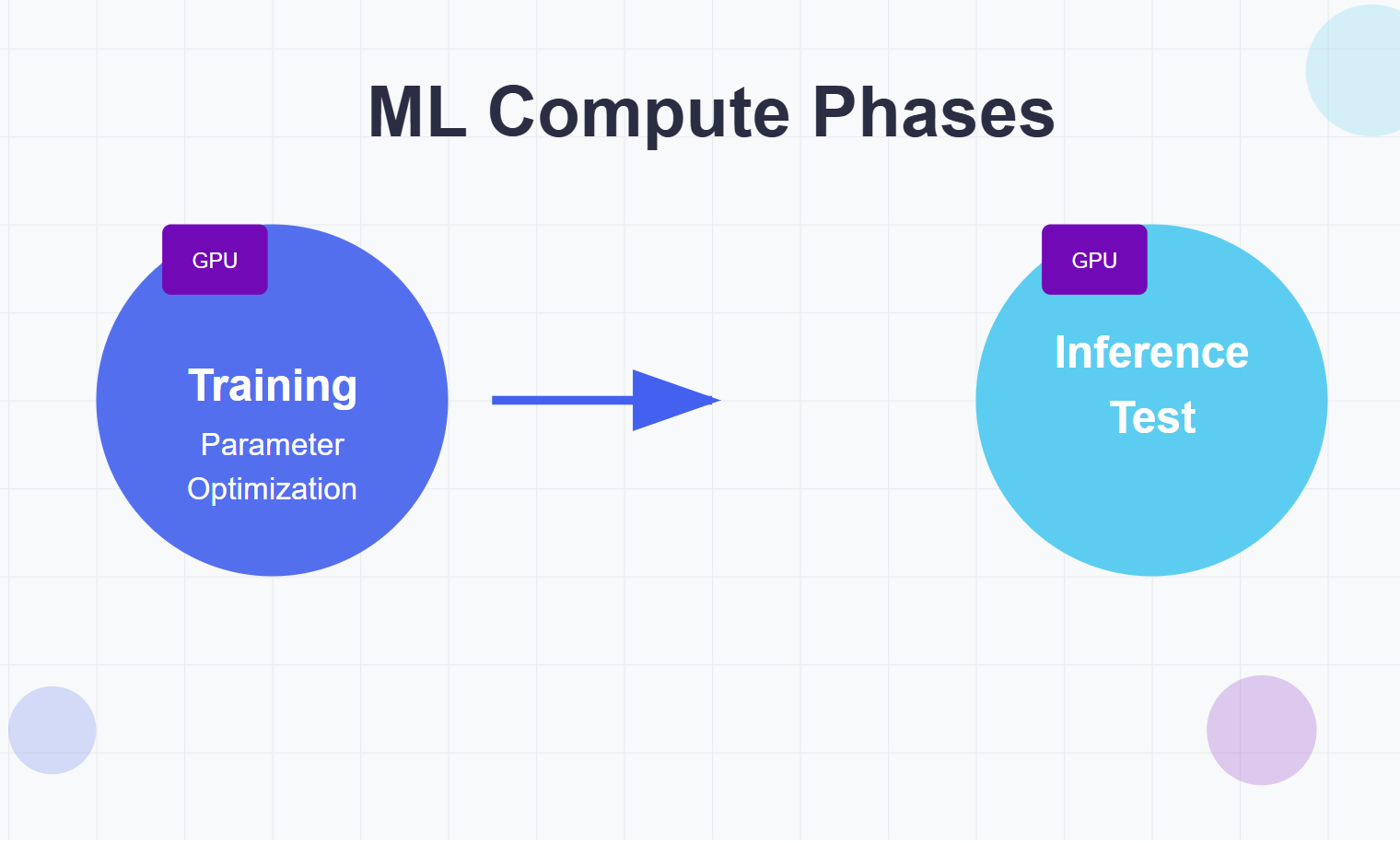
“More compute!” is a common refrain in discussions about improving LLM performance and capability. Recent headlines make clear how much major companies are willing to invest in the hardware behind large-scale model training. Once models are serving real users, though, inference-time compute and test-time compute are just

What is In-Context Learning? How LLMs Learn From ICL Examples

One of the key factors behind the usefulness and adoption of Large Language Models (LLMs) is in-context learning (ICL), a learning paradigm that lets LLMs adapt to new tasks by using instructions and examples provided directly within the input prompt. This article breaks down the intricacies of ICL, exploring

PromptLayer Announces our $4.8M Seed Round

Software development is being fundamentally reshaped by AI, but the biggest challenge often isn't technical expertise—it's domain knowledge. The next generation of AI products will be built with doctors, lawyers, educators, and other subject-matter experts working alongside AI engineers, not just machine learning specialists.

DeepSeek V2 vs. Coder V2: A Comparative Analysis

While both DeepSeek V2 and Coder V2 leverage DeepSeek's innovative Mixture-of-Experts (MoE) architecture, DeepSeek V2 is a versatile, general-purpose language model excelling in both natural language processing and code generation, whereas Coder V2 is specifically designed and optimized for a wide array of coding tasks

OpenAI o3 vs DeepSeek r1: An Analysis of Reasoning Models

OpenAI's upcoming o3 and DeepSeek's r1 represent significant advancements in the domain of reasoning models. Both models have garnered attention for their impressive performance on various benchmarks, sparking discussions about the future of AI and its potential impact on various industries. From what we know, OpenAI&

AI Agents vs. Workflows

As LLM-powered applications move from prototypes to production, the distinction between agents and workflows is increasingly important. AI teams, developers, and prompt engineers need to understand how each approach affects reliability, cost, observability, internal tools, customer-facing features, and production AI systems. But what exactly are agents and workflows,

The first platform built for prompt engineering