AI contextual governance business evolution adaptation

AI is moving from “nice-to-have automation” to a core operating layer inside modern organizations - and that shift forces a rethink of governance. The same rules cannot sensibly apply to a low-stakes customer chatbot and a high-stakes autonomous system, which is why contextual governance is becoming the practical path forward: calibrating oversight to risk, environment, and decision authority as AI roles evolve. This article breaks down what contextual AI governance looks like in practice, how it reshapes business structure and decision-making, what real-world adopters are doing differently, and how to build the infrastructure, controls, and feedback loops needed to keep AI both compliant and continuously improving in production.
Governance tailored to each system’s use case
AI governance needs to be as dynamic as the technologies it oversees. AI systems ranging from simple chatbots to complex autonomous vehicles require different oversight. Contextual governance is about calibrating rules based on each system’s use case and environment. For instance, while a chatbot shopping online can be more leniently regulated, the stakes are high for autonomous vehicles, necessitating stringent safety protocols.
Emerging frameworks, such as Human-AI Governance (HAIG), are designed to offer flexibility by factoring in decision authority, autonomy, and accountability. These frameworks allow governance to shift in alignment with changing AI roles, ensuring that human intervention and trust are maintained where necessary.
The transformation AI demands in businesses
As AI democratizes expertise, traditional hierarchies are flattening. Decisions once solely resting in the hands of senior executives are now shared more widely within organizations, thanks to AI's real-time analytics and insights.
New roles are emerging, from AI trainers to data ethicists, supporting this shift. Teams are increasingly hybridizing, viewing AI as a partner rather than a mere tool. This partnership is prompting companies to reevaluate workflows and adapt to AI-driven efficiencies.
Learning from real-world adaptations
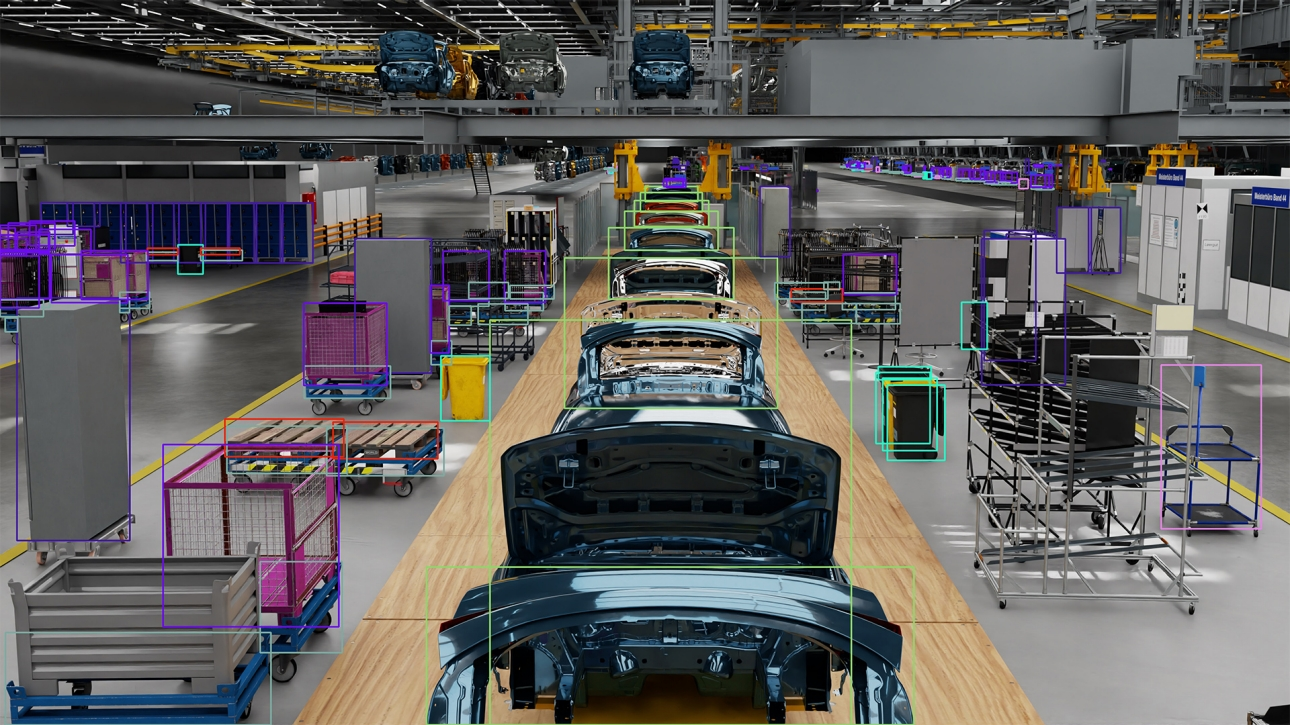
The practical implications of AI are best understood through industry leaders like Walmart, BMW, and JPMorgan Chase. Walmart, for instance, uses AI to revolutionize logistics, achieving substantial cost savings through route optimization. BMW’s deployment of AI-powered quality control systems on assembly lines has significantly reduced defects and sped quality assessments.
JPMorgan Chase’s AI-driven contract intelligence system showcases AI's potential in saving time and improving accuracy in legal document processing. These examples emphasize the necessity of not only adopting AI technologies but also restructuring business practices to maximize benefits.
Addressing governance challenges
The transition to AI introduces a complex landscape of ethical and regulatory requirements that organizations must navigate:
- Ethical Dilemmas: Proactive management of privacy concerns, algorithmic bias, and clear lines of accountability.
- Regulatory Compliance: Adherence to the EU AI Act and GDPR, which set global standards for transparency and safety.
- Strategic Visibility: Implementing frameworks that ensure AI deployments align with both internal ethical standards and local laws.
- Risk Management: Utilizing the NIST AI Risk Management Framework to maintain a rigorous safety posture.
Keeping AI Adaptable and Impactful
To thrive in an AI-driven landscape, organizations must move beyond static implementations and embrace a culture of continuous evolution. Staying impactful requires a strategic focus on three core pillars:
- Infrastructure: Investing in robust data architectures that can scale with evolving models.
- Human Synergy: Enhancing workforce capabilities so that human intuition and AI efficiency work in tandem.
- Iterative Growth: Measuring performance rigorously to ensure AI remains aligned with shifting business goals.
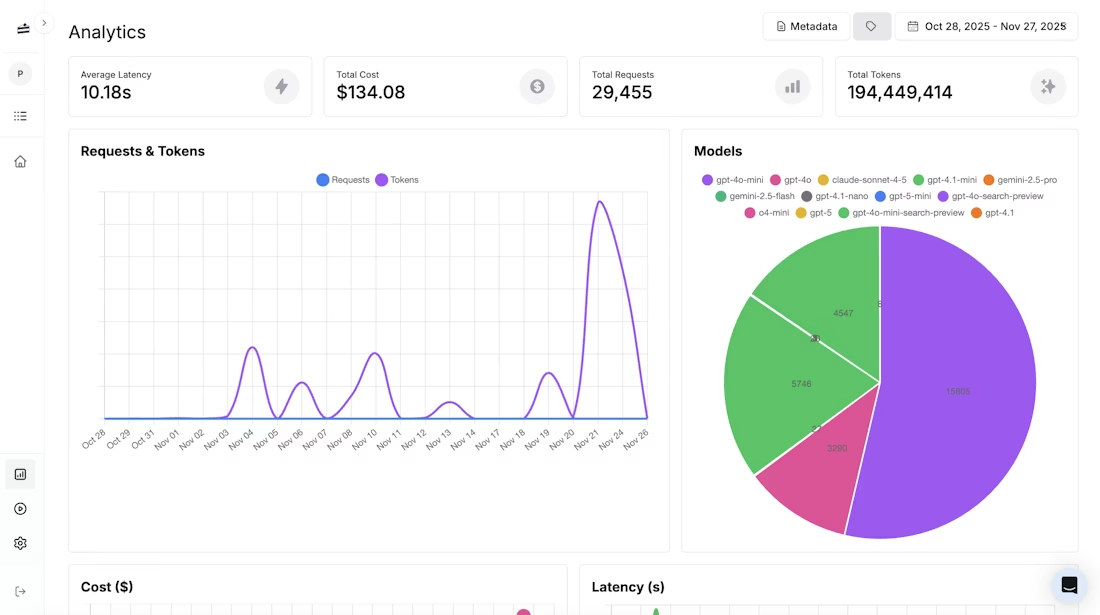
The transition from a pilot program to a high-performing production environment requires deep visibility into how models behave over time. This is where modern tooling becomes essential. Platforms like PromptLayer allow organizations to streamline AI experimentation and orchestration, providing the necessary oversight to maintain both efficacy and compliance. By treating AI as a living system that requires constant refinement, businesses can ensure their technology remains a driver of long-term performance rather than a one-time experiment.
Ship AI like you ship software
Viewing AI as a living component of your product infrastructure enables a more rigorous approach to deployment. By tiering by risk and monitoring performance through deep instrumentation, you gain the ability to navigate complex regulatory and technical landscapes with ease.
Success requires putting humans in the loop for high-stakes decisions and maintaining audit-grade visibility for accountability. Start with one high-priority use case, build a robust feedback loop, and focus on turning AI into a core operational strength of your business